Science and Medicine
John Harvey Kellogg
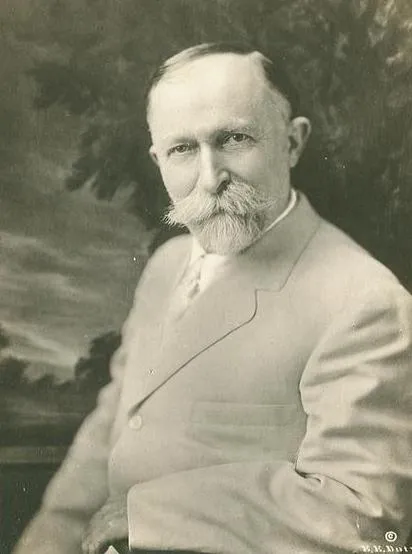
John Harvey Kellogg (February 26, 1852 – December 14, 1943) was an American businessman, inventor, physician, and advocate of the health reforms advocated by the Battle Creek Progressive Friends movement and the eugenics policies espoused by many in the Progressive Movement. He was the director of the Battle Creek Sanitarium in Battle Creek, Michigan, founded by members of the Seventh-day Adventist Church. It combined aspects of a European spa, a hydrotherapy institution, a hospital, and a high-class hotel. Kellogg treated the rich and famous, as well as the poor who could not afford other hospitals. According to Encyclopædia Britannica, he "developed numerous nut and vegetable products to vary the diet of the patients, including a flaked-wheat cereal called Granose and cornflakes. Although cornflakes were not new, they had never before been presented as a breakfast food [...] Kellogg was [also] a cofounder of the Race Betterment Foundation, an organization that promoted eugenics and racial segregation." An early proponent of the germ theory of disease, Kellogg was well ahead of his time in relating intestinal flora and the presence of bacteria in the intestines to health and disease. The sanitarium approached treatment in a holistic manner, actively promoting vegetarianism, nutrition, the use of yogurt enemas to clear "intestinal flora", exercise, sun-bathing, and hydrotherapy, as well as abstinence from smoking tobacco, drinking alcoholic beverages, and sexual activity. Kellogg dedicated the last 30 years of his life to promoting eugenics and racial segregation. Kellogg was a major leader in progressive health reform, particularly in the second phase of the clean living movement. He wrote extensively on science and health. His approach to "biologic living" combined scientific knowledge with Adventist beliefs and the promotion of health reform and temperance. Many of the vegetarian foods that Kellogg developed and offered his patients were publicly marketed: Kellogg's brother, Will Keith Kellogg, is best known today for the invention of the breakfast cereal corn flakes. Kellogg held liberal Christian theological beliefs radically different from mainstream Nicene Christianity and emphasized what he saw as the importance of human reason over many aspects of traditional doctrinal authority.
Also on this shelf
Christopher Aidan Gilligan.
Bridgewater Treatises.
See also
Uncatalogued shelfText from Wikipedia; plate via Wikimedia Commons. Text CC BY-SA 4.0; plate freely licensed (see Commons). Source record. Images and catalogue data are reproduced from open-access collections.