Science and Medicine
Epidemiology of autism
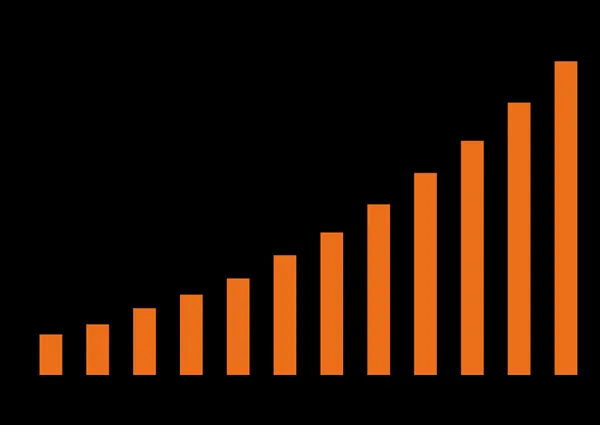
The epidemiology of autism is the study of the incidence and distribution of autism spectrum disorders (ASD). A 2022 systematic review of global prevalence of autism spectrum disorders found a median prevalence of 1% in children in studies published from 2012 to 2021, with a trend of increasing prevalence over time. However, the study's 1% figure may reflect an underestimate of prevalence in low- and middle-income countries. Socioeconomic barriers also affect access to treatment. Due to the high cost of individualized therapies such as applied behavior analysis (ABA), speech therapy, and occupational therapy; approximately 36% of children with ASD face difficulty affording care or remain untreated. ASD averages a 4.3:1 male-to-female ratio in diagnosis, not accounting for ASD in gender diverse populations, which overlap disproportionately with ASD populations. The number of children known to have autism has increased dramatically since the 1980s, at least partly due to changes in diagnostic practice; it is unclear whether prevalence has actually increased; and as-yet-unidentified environmental risk factors cannot be ruled out. In 2020, the Centers for Disease Control and Prevention's Autism and Developmental Disabilities Monitoring (ADDM) Network reported that approximately 1 in 54 children in the United States (1 in 34 boys, and 1 in 144 girls) are diagnosed with an autism spectrum disorder, based on data collected in 2016. This estimate is a 10% increase from the 1 in 59 rate in 2014, 105% increase from the 1 in 110 rate in 2006 and 176% increase from the 1 in 150 rate in 2000. Diagnostic criteria of ASD has changed significantly since the 1980s; for example, U.S. special-education autism classification was introduced in 1994. ASD is a complex neurodevelopmental disorder, and although what causes it is still not entirely known, efforts have been made to outline causative mechanisms and how they give rise to the disorder. The risk of developing autism is increased in the presence of various prenatal factors, including advanced paternal age and diabetes in the mother during pregnancy. In rare cases, autism is strongly associated with agents that cause birth defects. It has been shown to be related to genetic disorders and with epilepsy.
Also on this shelf
Egg.
2009–2010 West African meningitis outbreak.
See also
Uncatalogued shelfText from Wikipedia; plate via Wikimedia Commons. Text CC BY-SA 4.0; plate freely licensed (see Commons). Source record. Images and catalogue data are reproduced from open-access collections.