Science and Medicine
Helminthic therapy
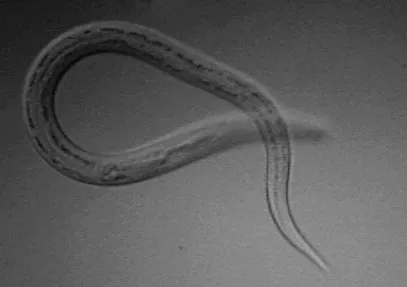
Helminthic therapy, an experimental type of immunotherapy, is the treatment of autoimmune diseases and immune disorders by means of deliberate infestation with a helminth or with the eggs of a helminth. Helminths are parasitic worms such as hookworms, whipworms, and threadworms that have evolved to live within a host organism on which they rely for nutrients. The theory behind helminth therapy is that these worms reduce negative immune responses due to their TH2 immune response that downregulates the abnormal T-cell responses recently associated with autoimmune disorders. This therapy ties to the hygiene hypothesis in that the lack of exposure to bacteria and parasites such as helminths can cause a overactive immune system leading to being more susceptible to autoimmune disease. Helminth worms are members of two phyla: nematodes, which are primarily used in human helminthic therapy, and flat worms (trematodes). Helminthic therapy consists primarily of the inoculation of the patient with specific parasitic intestinal nematodes (or other helminths). A number of such organisms are currently being investigated for their use as treatment, including: Trichuris suis ova, commonly known as pig whipworm eggs; Necator americanus, commonly known as hookworms; Trichuris trichiura ova, commonly referred to as human whipworm eggs; and Hymenolepis diminuta, commonly known as rat tapeworm. While the latter four species may be considered to be mutualists – providing benefit to their host without causing long term harm – there are other helminth species that have demonstrated therapeutic uses, but these have a potential to cause harmful side effects, and therefore do not share the ideal characteristics for a therapeutic helminth.
Also on this shelf
Electroencephalography.
Halfdan T. Mahler.
See also
Uncatalogued shelfText from Wikipedia; plate via Wikimedia Commons. Text CC BY-SA 4.0; plate freely licensed (see Commons). Source record. Images and catalogue data are reproduced from open-access collections.