Science and Medicine
LGBTQ movements
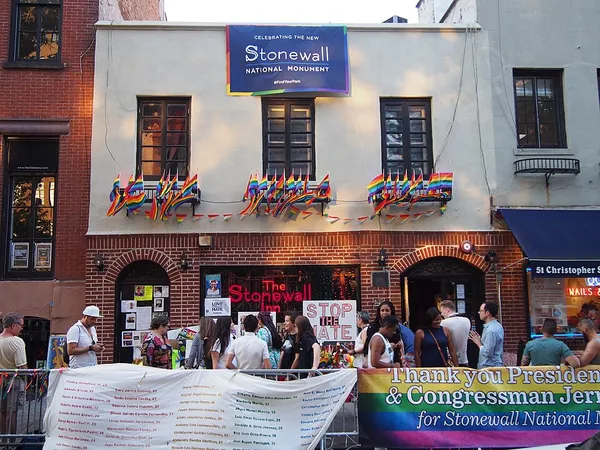
Lesbian, gay, bisexual, transgender and queer (LGBTQ) movements are social movements that advocate for the inclusion, recognition, and rights of LGBTQ people and other gender and sexual minorities. While there is no overarching organization representing all LGBTQ people, numerous advocacy groups, grassroots networks, and community-based organizations work to advance related causes. The earliest known LGBTQ rights organization was the Scientific-Humanitarian Committee, founded in Berlin in 1897. The common goal of LGBTQ movements is equal rights for LGBTQ people. Specific goals include the decriminalization of homosexuality, legal recognition of same-sex relationships, protections against discrimination, and access to gender-affirming healthcare. Some branches of these movements also emphasize cultural visibility, community-building, and liberation from societal systems seen as oppressive, such as heteronormativity and cisnormativity. Modern LGBTQ movements encompass a wide range of strategies, including political lobbying, street marches and protests, mutual aid, academic research, and artistic expression. These movements are internally diverse, with ongoing debates over tactics, identity, inclusion, and the intersections of gender, sexuality, race, and class.
Also on this shelf
Climate change and infectious diseases.
Health in Italy.
See also
Uncatalogued shelfText from Wikipedia; plate via Wikimedia Commons. Text CC BY-SA 4.0; plate freely licensed (see Commons). Source record. Images and catalogue data are reproduced from open-access collections.