Science and Medicine
Alexandru Slătineanu
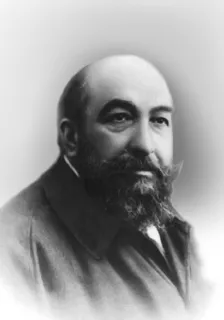
Alexandru Slătineanu (January 5, 1873 – November 27, 1939) was a Romanian bacteriologist, civil servant, and art collector. From an aristocratic and intellectual background, he embraced socialism while studying in Paris in the 1890s, becoming a lifelong associate of the socialist physician Ioan Cantacuzino. Slătineanu served his country in the Second Balkan War and World War I, creating a medical infrastructure designed to combat cholera and typhus, and improving immunology research. His laboratory continued to set the national standard in the field of bacteriology during the interwar years. From 1923 to 1926, Slătineanu was rector of the University of Iași, where he fought against antisemitism and curbed attempts at imposing racial segregation. He managed a private clinic and a rural sanitarium, seconded Cantacuzino at the Health Ministry, and set up a model village in Tomești. His large collection of decorative art and manuscripts was opened as a private museum after his death. Managed and enriched by his son, Barbu Slătineanu, it passed into state property during the communist period, when the surviving Slătineanus were exposed to political persecution.
Also on this shelf
Black Death.
2019–2020 New Zealand measles outbreak.
See also
Uncatalogued shelfText from Wikipedia; plate via Wikimedia Commons. Text CC BY-SA 4.0; plate freely licensed (see Commons). Source record. Images and catalogue data are reproduced from open-access collections.