Science and Medicine
Gynaecology
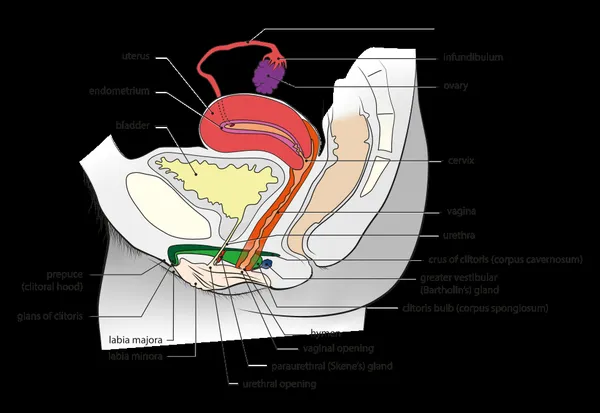
Gynaecology (or gynecology in American English) is the area of medicine concerned with conditions affecting the female reproductive system. It is sometimes combined with the field of obstetrics, which focuses on pregnancy and childbirth, thereby forming the combined area of obstetrics and gynaecology (OB-GYN). Gynaecology encompasses preventative care, sexual health and diagnosing and treating health issues arising from the female reproduction system, such as the uterus, vagina, cervix, fallopian tubes, ovaries, and breasts; subspecialties include family planning; minimally invasive surgery; paediatric and adolescent gynaecology; and pelvic medicine and reconstructive surgery. Gynaecological care is discussed in the Kahun Gynaecological Papyrus and the Hippocratic Corpus, showing the ancient origins of the subject. J. Marion Sims contributed to the advancement of the specialism developing instruments such as the Sims speculum, Pantaleoni completed the first hysteroscopy in 1869 and Papanikolaou first wrote about the pap smear in 1928. Transgender, intersex and nonbinary individuals can require gynaecological care. Health disparities exist within gynaecology, which can impact women in low and middle income countries, minority groups in some countries and the LGBTQ+ community.
Also on this shelf
David France (writer/filmmaker).
Dissection.
See also
Uncatalogued shelfText from Wikipedia; plate via Wikimedia Commons. Text CC BY-SA 4.0; plate freely licensed (see Commons). Source record. Images and catalogue data are reproduced from open-access collections.