Science and Medicine
1937 Croydon typhoid outbreak
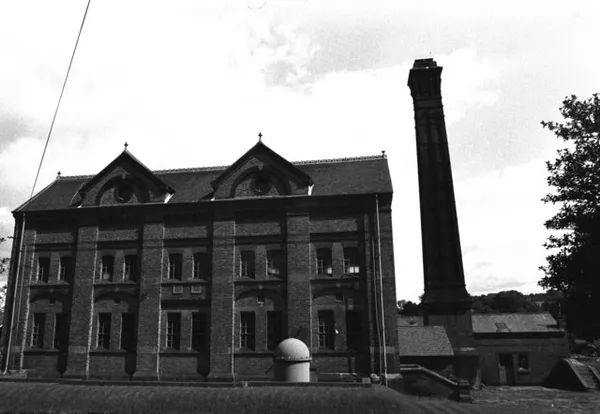
The 1937 Croydon typhoid outbreak, also known as the Croydon epidemic of typhoid fever, was an outbreak of typhoid fever in Croydon, Surrey, now part of London, in 1937. It resulted in 341 cases of typhoid (43 fatal), and it caused considerable local discontent leading to a media campaign and a public inquiry. The source of the illness remained a mystery until the cases were mapped out using epidemiological method. The origin was found to be the polluted chalk water well at Addington, London, which supplied water to up to one-fifth of the area that is now the London Borough of Croydon. Coupled with issues around the co-operation between the medical officers and the administrators of the Borough, three coincidental events were blamed: changes to the well structure by repair work, the employment of a new workman who was an unwitting carrier of typhoid, and failure to chlorinate the water.
Also on this shelf
Artificial ventilation.
Aristides Leão.
See also
Uncatalogued shelfText from Wikipedia; plate via Wikimedia Commons. Text CC BY-SA 4.0; plate freely licensed (see Commons). Source record. Images and catalogue data are reproduced from open-access collections.