Science and Medicine
Great Plague of 1738
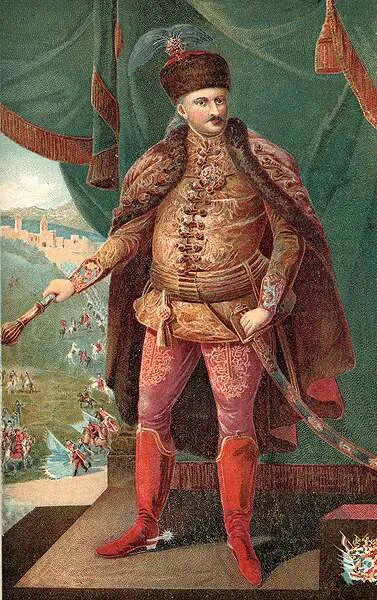
The Great Plague of 1738 was an outbreak of the bubonic plague between 1738 and 1743 that affected areas of the Habsburg Empire, now in the modern nations of Romania, Hungary, Ukraine, Serbia, Croatia, Slovakia, Czechia, and Austria. Despite the name, the plague occurred for at least 5 years, from 1738 to 1743. Medical technology at the time was not properly able to detect bacterium, although Europeans were aware of them. In February 1738, the plague hit the Banat region, having been spread there by the Imperial Army. Southeastern Transylvania may have been the hardest area hit. Over the following eight years, the plague killed a sixth of the population of Timișoara. Timișoara's St. Mary and St. John of Nepomuk Monument is dedicated to the plague's victims. The plague would return to hit the city again in 1762–1763. Other cities in the region were also stricken. Between October 1737 and April 1738, 111 deaths were reported in Zărneşti, and 70 in Codlea. More than 10% of the population of Cluj-Napoca was reported to have been killed by the pandemic. The disease's spread extended to the Adriatic. It made its way to the island of Brač in modern-day Croatia. According to the 1740 Hungarian Diet, the Great Plague claimed 36,000 lives.
Also on this shelf
AO Foundation.
Alimuddin Zumla.
See also
Uncatalogued shelfText from Wikipedia; plate via Wikimedia Commons. Text CC BY-SA 4.0; plate freely licensed (see Commons). Source record. Images and catalogue data are reproduced from open-access collections.