Science and Medicine
Biopsy
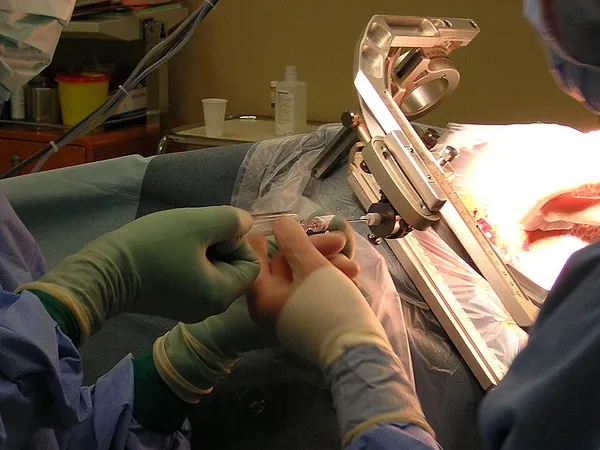
A biopsy is a medical test commonly performed by medical doctors of many specialities, including surgeons, interventional radiologists, interventional cardiologists, dermatologists, gynecologists, pulmonologists, urologists, ophthalmologists, internists, family physicians, otolaryngologists and gastroenterologists as well as by podiatrists and dentists. The process involves the extraction of sample cells or tissues for examination to determine the presence or extent of a disease. The tissue may then be fixed, dehydrated, embedded, sectioned, stained and mounted before it is examined under a microscope by a pathologist; it may also be analyzed chemically. When an entire lump or suspicious area is removed, the procedure is called an excisional biopsy. Incisional biopsies and core biopsies sample a portion of the abnormal tissue without attempting to remove the entire lesion or tumor. In a fine needle aspiration biopsy, a sample of tissue or fluid is removed with a needle in such a way that cells are removed without preserving the histological architecture of the tissue cells. Other types include punch biopsies and shave biopsies. Biopsies are most commonly performed for insight into possible cancerous or inflammatory conditions.
Also on this shelf
Adhesive capsulitis of the shoulder.
Fascioloides magna.
See also
Uncatalogued shelfText from Wikipedia; plate via Wikimedia Commons. Text CC BY-SA 4.0; plate freely licensed (see Commons). Source record. Images and catalogue data are reproduced from open-access collections.