Science and Medicine
Clitoris
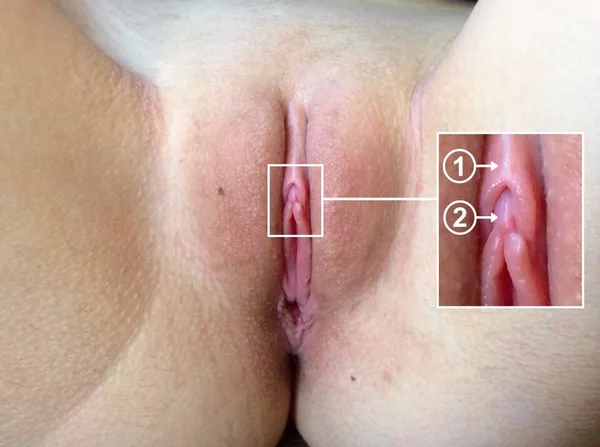
In amniotes, the clitoris ( KLIT-ər-iss or klih-TOR-iss; pl.: clitorises or clitorides) is a female sex organ. In humans, it is the vulva's most erogenous area and generally the primary anatomical source of female sexual pleasure. The clitoris is a complex structure, and its size and sensitivity can vary. The visible portion, the glans, of the clitoris is typically roughly the size and shape of a pea and is estimated to have more than 10,000 nerve endings. Sometimes in common speech, clitoris or clit is used to solely reference the glans. Sexological, medical, and psychological debate has focused on the clitoris, and it has been subject to social constructionist analyses and studies. Such discussions range from anatomical accuracy, gender inequality, female genital mutilation, and orgasmic factors and their physiological explanation for the G-spot. The only known purpose of the human clitoris is to provide sexual pleasure. Knowledge of the clitoris is significantly affected by its cultural perceptions. Studies suggest that knowledge of its existence and anatomy is scant in comparison with that of other sexual organs (especially male sex organs) and that more education about it could help alleviate stigmas, such as the idea that the clitoris and vulva in general are visually unappealing or that female masturbation is taboo and disgraceful. The clitoris is homologous to the majority of the penis in males.
Also on this shelf
Controversies related to ME/CFS.
Benzodiazepine.
See also
Uncatalogued shelfText from Wikipedia; plate via Wikimedia Commons. Text CC BY-SA 4.0; plate freely licensed (see Commons). Source record. Images and catalogue data are reproduced from open-access collections.