Science and Medicine
Algorithmic bias
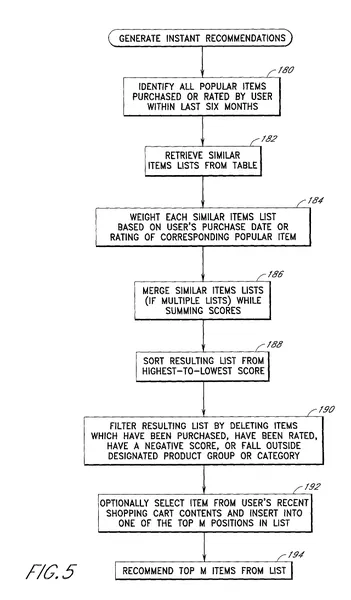
Algorithmic bias describes the systematic and repeatable harmful tendency in a computerized sociotechnical system to create "unfair" outcomes, such as "privileging" one category over another in ways that may or may not be different from the intended function of the algorithm. Bias can emerge from many factors, including intentionally biased design decisions or the unintended or unanticipated use or decisions relating to the way data is coded, collected, selected or used to train the algorithm. For example, algorithmic bias has been observed in search engine results and social media platforms. This bias can have impacts ranging from privacy violations to reinforcing social biases of race, gender, sexuality, and ethnicity. The study of algorithmic bias is most concerned with algorithms that reflect "systematic and unfair" discrimination. This bias has only recently been addressed in legal frameworks, such as the European Union's General Data Protection Regulation (enforced in 2018) and the Artificial Intelligence Act (proposed in 2021 and adopted in 2024). As algorithms expand their ability to organize society, politics, institutions, and behavior, sociologists have become concerned with the ways in which unanticipated output and manipulation of data can impact the physical world. Because algorithms are often considered to be neutral and unbiased, they can inaccurately project greater authority than human expertise (in part due to the psychological phenomenon of automation bias), and in some cases, reliance on algorithms can displace human responsibility for their outcomes, without last mile thinking. Bias can enter into algorithmic systems as a result of pre-existing cultural, social, or institutional expectations; by how features and labels are chosen; because of technical limitations of their design; or by being used in unanticipated contexts or by audiences who are not considered in the software's initial design. Algorithmic bias has been cited in cases ranging from election outcomes to the spread of online hate speech. It has also arisen in criminal justice, healthcare, and hiring, compounding existing racial, socioeconomic, and gender biases. The relative inability of facial recognition technology to accurately identify darker-skinned faces has been linked to multiple wrongful arrests of black men, an issue stemming from imbalanced datasets.
Also on this shelf
Colonial history of the United States.
1853 yellow fever epidemic.
See also
Uncatalogued shelfText from Wikipedia; plate via Wikimedia Commons. Text CC BY-SA 4.0; plate freely licensed (see Commons). Source record. Images and catalogue data are reproduced from open-access collections.