Science and Medicine
Environmental hazard
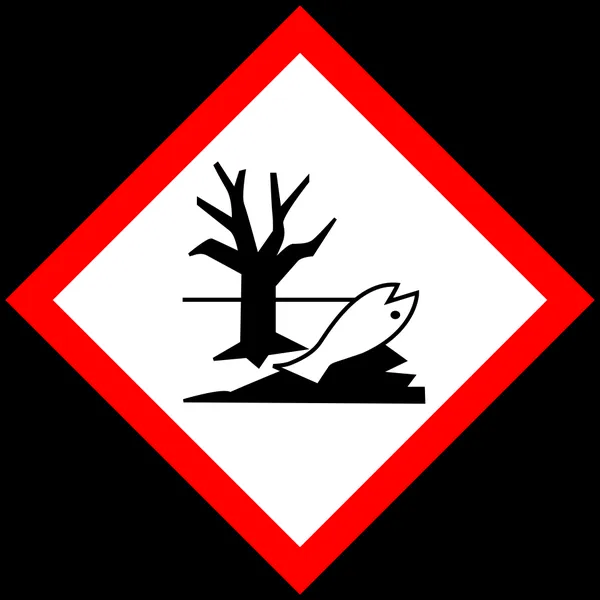
An environmental hazard is something which is hazardous, either to the natural environment or of the natural environment and which is normally present in the specific environment and is dangerous to people present in that environment. Well-known examples of hazards to the environment include potential oil spills, water pollution, slash and burn deforestation, air pollution, ground fissures, and build-up of atmospheric carbon dioxide. They may apply to a particular part of the environment (slash and burn deforestation) or to the environment as a whole (carbon dioxide buildup in the atmosphere).. Similarly, a hazard of an environment may be inherent in the whole of that environment, like a drowning hazard is inherent to the general underwater environment, or localised, like potential shark attack is a hazard of those parts of the ocean where sharks that are likely to attack people are likely to exist. An active volcano may be a hazard to the environment, whether natural or artificial, and at the same time a hazard in and of the environment.
Also on this shelf
History of biology.
Halfdan T. Mahler.
See also
Uncatalogued shelfText from Wikipedia; plate via Wikimedia Commons. Text CC BY-SA 4.0; plate freely licensed (see Commons). Source record. Images and catalogue data are reproduced from open-access collections.