Science and Medicine
1974 smallpox epidemic in India
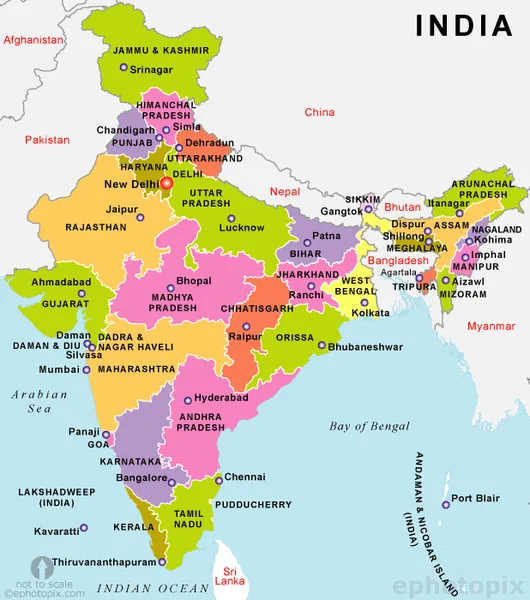
The 1974 smallpox epidemic in India infected 188,000 people, leading to the deaths of 31,000 Indians. The media reported the smallpox epidemic as the most severe of its kind. However, the claim is debatable due to improvements in reporting since the epidemics of 1875 and 1967. The 1974 epidemic occurred during the country’s intensified campaign against the virus, which saw a shift in strategy from mass vaccinations to search and containment. The year prior, vaccination programs and improved vaccination techniques, along with surveillance and investigation strategies, reduced smallpox transmission in most of the country except for a few states, including Bihar, Uttar Pradesh, and West Bengal. The epidemic persisted in these regions in January and lasted until summer for several reasons. Smallpox was difficult to eradicate in rural, poor areas with inferior transportation and communications. During the Indian smallpox eradication campaign, over 80% of the population lived in remote areas, creating logistical issues for vaccine delivery. Bihar and Uttar Pradesh accounted for approximately three-quarters of global smallpox cases in 1974. The World Health Organization (WHO) reported 103,830 infections throughout India in January 1974, which was 20% higher than the total number of cases the year before. In March, new cases were discovered in Madhya Pradesh, an area previously cleared of smallpox imported from Bihar. By May, cases reached a record of 48,833. Within one week in May, 11,000 new cases and 8600 imminent outbreaks were discovered in Bihar, resulting in one case each minute. An outbreak in southern Bihar in May traced back to Tata Group labourers, instigated vaccinations of railway workers and road closures to prevent further spread. Nevertheless, 300 more outbreaks and 2,000 cases swept into 11 states. A month later, the WHO estimated 75,000 infections in Bihar. The monsoon season stifled human interactions and, combined with increased containment activities, caused smallpox cases to decrease.
Also on this shelf
2019 Samoa measles outbreak.
Einiosaurus.
See also
- ▸Academy of Sciences of the Institute of Bologna
- ▸Christianity in Asia
- ▸Cultural history of the United States
Text from Wikipedia; plate via Wikimedia Commons. Text CC BY-SA 4.0; plate freely licensed (see Commons). Source record. Images and catalogue data are reproduced from open-access collections.