Science and Medicine
Body snatching
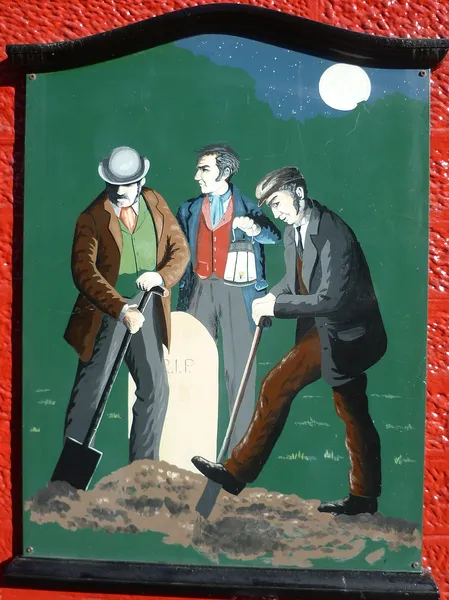
Body snatching is the illicit removal of corpses from graves, morgues, and other burial sites. Body snatching is distinct from the act of grave robbery as grave robbing does not explicitly involve the removal of the corpse, but rather theft from the burial site itself. The term 'body snatching' most commonly refers to the removal and sale of corpses primarily for the purpose of dissection or anatomy lectures in medical schools. The term was coined primarily in regard to cases in the United Kingdom and United States throughout the 17th, 18th, and 19th centuries. However, there have been cases of body snatching in many countries, with the first recorded case in Europe dating back to 1319 in Bologna, Italy. The first recorded case in China dates back to 506 BC, when Wu Zixu dug up the corpse of King Ping of Chu to whip his corpse. Those who practiced the act of body snatching and sale of corpses during this period were commonly referred to as resurrectionists or resurrection men. Resurrectionists in the United Kingdom, who often worked in teams and who primarily targeted more recently dug graves, would be hired in order to provide medical institutions and practitioners with a supply of fresh cadavers for the purpose of anatomical study. Despite a significant decline in body snatching as a practice, there are contemporary instances of body snatching.
Also on this shelf
Devi Sridhar.
2009 swine flu pandemic timeline.
See also
- ▸Green Lane Hospital, Auckland
- ▸Charlie Phillips (photographer)
- ▸Humanitarian response to the 2011 Tōhoku earthquake and tsunami
Text from Wikipedia; plate via Wikimedia Commons. Text CC BY-SA 4.0; plate freely licensed (see Commons). Source record. Images and catalogue data are reproduced from open-access collections.