Science and Medicine
Addiction
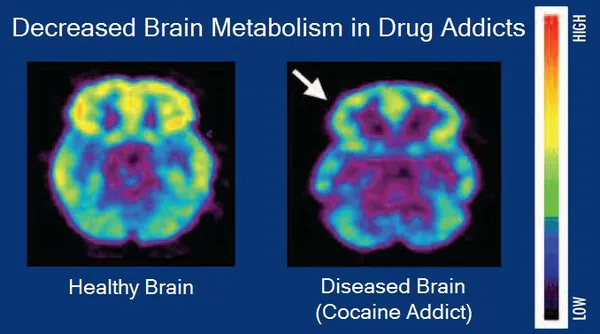
Addiction is a neuropsychological disorder characterized by a persistent and intense urge to use a drug or engage in a behavior that produces an immediate psychological reward, despite substantial harm and other negative consequences. Repeated substance use produces long-lasting changes in brain networks involved in reward, executive function, stress reactivity and mood. These changes underlie both the intense drive to use a substance and the reduced capacity to control that urge. It is therefore understood as a brain disorder arising from a complex mix of psychosocial and neurobiological factors. A number of researchers argue that this framing is incomplete, and that addiction is better understood as learned behavior shaped by choice and social context. Addiction takes both substance and non-substance forms. Substance addictions include alcoholism, cannabis addiction, amphetamine addiction, cocaine addiction, nicotine addiction, and opioid addiction. The DSM-5-TR recognizes only gambling disorder as a behavioral (non-substance) addiction and lists internet gaming disorder as a condition for further study, while the ICD-11 additionally classifies gaming disorder as a disorder due to addictive behaviors. Other candidate behavioral addictions, and the question of whether food can be addictive, are debated in the research literature but are not recognized in either manual. Across these forms, addiction is defined less by any single symptom than by a pattern: impaired control over the substance or behavior, increasing priority given to it over other activities, and continued use despite harm, accompanied for many substances by tolerance and withdrawal. It carries a substantial risk of further illness and early death, most immediately from overdose, and co-occurring psychiatric conditions are common. Roughly half of the risk of developing an addiction is genetic: twin and adoption studies estimate the heritability of alcohol use disorder at about 50%, with comparable figures across other substances. Genetic vulnerability is polygenic, reflecting the small combined effects of many common variants rather than any single gene. Environmental contributors include adverse childhood experiences, chronic stress, family and peer influences, socioeconomic constraint and the availability of substances, and adolescence in a period of heightened vulnerability.
Also on this shelf
Anti-Mask League of San Francisco.
Extraterrestrial sample curation.
See also
Uncatalogued shelfText from Wikipedia; plate via Wikimedia Commons. Text CC BY-SA 4.0; plate freely licensed (see Commons). Source record. Images and catalogue data are reproduced from open-access collections.