Science and Medicine
COVID-19 pandemic in Sweden
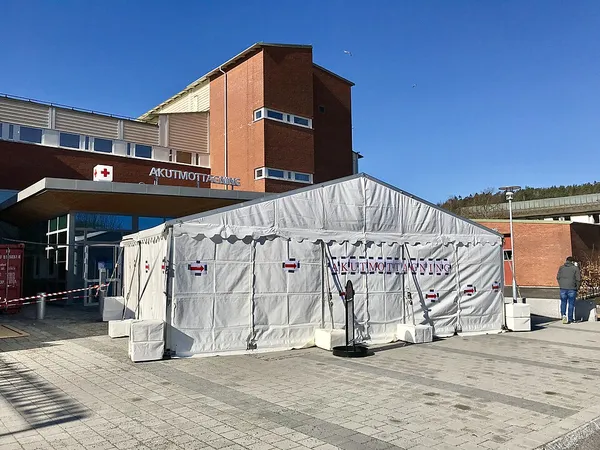
The COVID-19 pandemic in Sweden is a part of the pandemic of coronavirus disease 2019 (COVID-19) caused by severe acute respiratory syndrome coronavirus 2 (SARS-CoV-2). As of 22 March 2023, there have been 2,701,192 confirmed cumulative cases and 23,851 deaths with confirmed COVID-19 in Sweden. Sweden ranks 57th in per capita deaths worldwide, and out of 47 European countries, Sweden places 30th. A 2022 estimate of excess mortality during the pandemic using IHME COVID model estimated 18,300 excess deaths during 2020–2021 The Economist model value estimated 13,670 excess deaths between 16th 2020-Mar 6th 2022. The virus was confirmed to have reached Sweden on 31 January 2020, although some evidence suggests that the virus could have arrived as early as December 2019. Community transmission was confirmed on 9 March in the Stockholm Metropolitan Area, and the first death was reported two days later. It had spread to all regions of Sweden by 13 March 2020. The authorities declared a "late pandemic phase" was beginning in June, but a surge in cases occurred in the winter of 2020. The Alpha variant, Delta variant and Omicron variant spread to Sweden in 2021. As the outbreak reached Sweden, authorities responded with limited measures, in contrast with lockdowns and legal restrictions introduced in other countries. The Swedish public were expected to follow a series of non-voluntary recommendations from the Public Health Agency of Sweden (Folkhälsomyndigheten). These included working from home where possible, limiting travel within the country, social distancing, and for people above 70 and those with potential COVID-19 symptoms to self-isolate. Changes were also made to sick leave. Businesses and organizations were subject to distancing recommendations, regulations (mainly restaurants) and laws (banning public gatherings and events with more than 50 participants, as well as visits to nursing homes). Upper secondary schools and universities were closed until the end of the summer holidays. From late 2020 amidst a surge in cases, new legislation was passed enacting international travel restrictions and again limiting participation in public events, banning nursing home visits and closing upper secondary schools. Primary schools remained open throughout the pandemic, and face masks were not generally recommended for the public or in healthcare settings.
Also on this shelf
Anal fistula.
DHS Science and Technology Directorate.
See also
Uncatalogued shelfText from Wikipedia; plate via Wikimedia Commons. Text CC BY-SA 4.0; plate freely licensed (see Commons). Source record. Images and catalogue data are reproduced from open-access collections.