Science and Medicine
1977 Russian flu
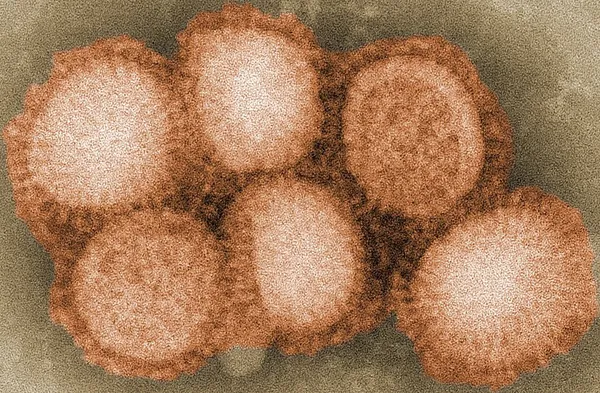
The 1977 Russian flu was an influenza epidemic that was first reported by the Soviet Union in 1977 and lasted until 1979. The outbreak in northern China started in May 1977, slightly earlier than that in the Soviet Union. The outbreak mostly affected a population younger than 25 or 26 years of age, and was described as mild. It was caused by an H1N1 flu strain which highly resembled a virus strain circulating worldwide from 1946 to 1957. Genetic analysis and several unusual characteristics of the 1977 Russian flu have prompted many researchers to say that the virus was released to the public through a laboratory accident, or resulted from a live-vaccine trial escape. The Russian flu first reached the United Kingdom in 1977, and the United States in January 1978. The first outbreak in the United States took place in Cheyenne, Wyoming, and more than 70% of those infected were students. The flu spread in schools and military bases throughout the United States, but most of those infected were below the age of 26. In the United States, the death rate in affected individuals was low.
Also on this shelf
Feinberg School of Medicine.
Health in Haiti.
See also
Uncatalogued shelfText from Wikipedia; plate via Wikimedia Commons. Text CC BY-SA 4.0; plate freely licensed (see Commons). Source record. Images and catalogue data are reproduced from open-access collections.