Science and Medicine
Colectomy
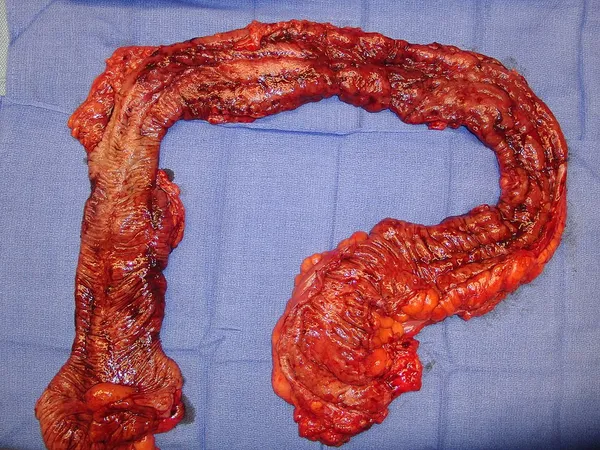
Colectomy (col- + -ectomy) is the surgical removal of any extent of the colon, the longest portion of the large bowel. Partial or subtotal colectomy refers to removing a portion of the colon, while total colectomy involves removal of the entire colon. Proctocolectomy extends the total colectomy to include removal of the rectum. Colectomy may be performed for prophylactic, curative, or palliative reasons. Indications include inflammatory/autoimmune, cancer/precancer, vascular/ischemic, mechanical, infectious, traumatic, and functional. Most colectomies are elective; however conditions such as perforation, necrosis (transmural or otherwise), uncontrolled hemorrhage, or obstruction with imminent perforation require emergency surgery. Colectomy is performed either as an open surgery requiring a large incision or minimally invasive which includes standard laparoscopic and robot-assisted laparoscopic. Following removal of the bowel segment(s), either continuity of the bowel is restored with an anastomosis or an intestinal diversion is created through an ostomy. When parts of the colon remain, typically a colostomy is created whereas a total colectomy requires an ileostomy. Complications of the surgery include anastomotic leak, bleeding, infection, ileus, and damage to surrounding structures such as the ureter, bladder, or adjacent vasculature.
Also on this shelf
Gait analysis.
Belemnitida.
See also
Uncatalogued shelfText from Wikipedia; plate via Wikimedia Commons. Text CC BY-SA 4.0; plate freely licensed (see Commons). Source record. Images and catalogue data are reproduced from open-access collections.