Photography
DNA profiling
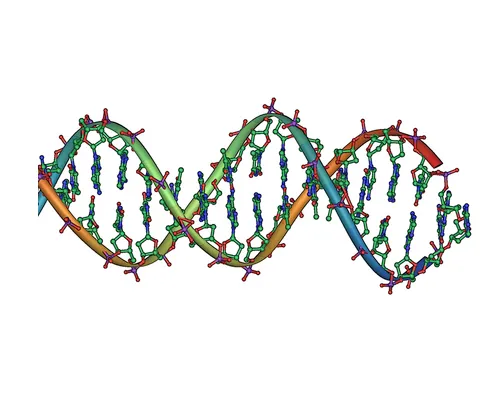
DNA profiling (also called DNA fingerprinting and genetic fingerprinting) is the process of determining an individual's deoxyribonucleic acid (DNA) characteristics. DNA analysis intended to identify a species, rather than an individual, is called DNA barcoding. DNA profiling is a forensic technique in criminal investigations, comparing suspects' profiles to DNA evidence to assess the likelihood of their involvement in the crime. Modern DNA profiling techniques are highly reliable, despite the fact that they only provide a fallible probabilistic estimate of the match between a suspect and an incriminating sample. DNA profiling is also used in paternity testing, to establish immigration eligibility, and in genealogical and medical research. DNA profiling has also been used in the study of animal and plant populations in the fields of zoology, botany, and agriculture. DNA profiling was discovered by British geneticist Sir Alec Jeffreys in 1984 while he was working at the University of Leicester. He developed the technique of genetic fingerprinting by realizing that some regions of DNA have highly variable repetitive sequences that are unique to each individual.
Also on this shelf
Ian Svenonius.
Iron Tail.
See also
Uncatalogued shelfText from Wikipedia; plate via Wikimedia Commons. Text CC BY-SA 4.0; plate freely licensed (see Commons). Source record. Images and catalogue data are reproduced from open-access collections.