Photography
Criticism of Amazon
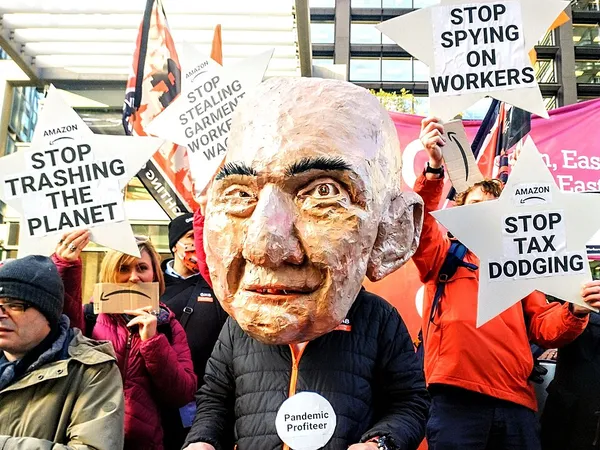
Amazon has been criticized on many issues, including anti-competitive business practices, its treatment of workers, offering counterfeit or plagiarized products, objectionable content of its books, tax and subsidy deals with governments supplying law enforcement with facial recognition surveillance tools; forming cloud computing partnerships with the CIA; leading customers away from bookshops; adversely impacting the environment; placing a low priority on warehouse conditions for workers; actively opposing unionization efforts; remotely deleting content purchased by Amazon Kindle users; taking public subsidies; seeking to patent its 1-Click technology; engaging in anti-competitive actions and price discrimination; and reclassifying LGBTQ books as adult content. Criticism has also concerned various decisions over whether to censor or publish content such as the WikiLeaks website, works containing libel, anti-LGBT merchandise, and material facilitating dog fighting, cockfighting, or pedophile activities. An article published by Time in the wake of social media website Parler's termination of service by Amazon Web Service highlights the power companies like Amazon now have over the internet. In December 2011, Amazon faced a backlash from small businesses for running a one-day deal to promote its new Price Check app. Shoppers who used the app to check prices in a brick-and-mortar store were offered a 5% discount to purchase the same item from Amazon. Companies like Groupon, eBay and Taap have countered Amazon's promotion by offering $10 off from its products. The company has also faced accusations of putting undue pressure on suppliers to maintain and extend its profitability. One effort to squeeze the most vulnerable book publishers was known within the company as the Gazelle Project, after Bezos suggested, according to Brad Stone, "that Amazon should approach these small publishers the way a cheetah would pursue a sickly gazelle." In July 2014, the Federal Trade Commission launched a lawsuit against the company alleging it was promoting in-app purchases to children, which were being transacted without parental consent. In 2019, Amazon banned selling skin-lightening products after pushback from Minnesota health and environmental activists. In 2022, a lawsuit filed by state attorney-general Letitia James was dismissed by the New York state court of appeals.
Also on this shelf
Crimes de la commune.
Govan Old Parish Church.
See also
Uncatalogued shelfText from Wikipedia; plate via Wikimedia Commons. Text CC BY-SA 4.0; plate freely licensed (see Commons). Source record. Images and catalogue data are reproduced from open-access collections.