Photography
European printmaking in the 20th century
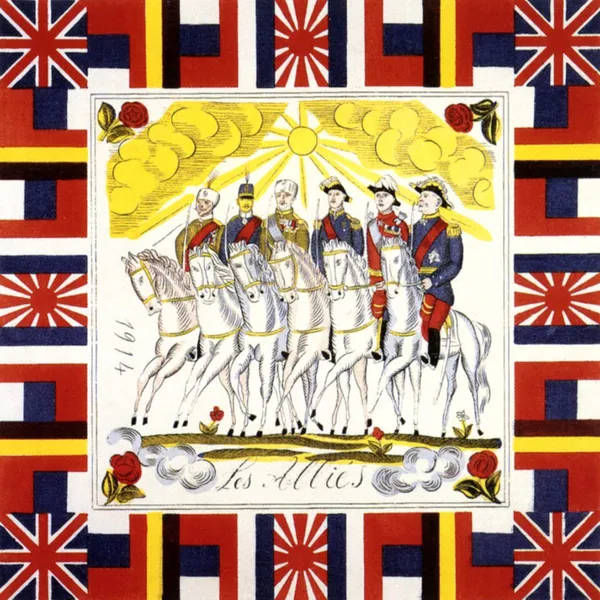
Twentieth-century art underwent a profound transformation: in a more materialist, more consumerist society, art was directed to the senses, not to the intellect. The avant-garde movements arose, which sought to integrate art into society through a greater interrelation between artist and spectator, since it is the latter who interprets the work, being able to discover meanings that the artist did not even know. The most commonly used graphic methods were woodcut, lithography, etching and silkscreen printing, and new techniques such as color aquatint were developed. The offset printing also emerged, which revolutionized graphic art. Offset is a process similar to lithography, consisting of applying an ink on a metal plate, usually aluminum. It was the parallel product of two inventors: in 1875, the British Robert Barclay developed a version for printing on metals (tin) and, in 1903, the American Ira Washington Rubel adapted it for printing on paper.
Also on this shelf
Flying saucer.
Dianne Blell.
See also
Uncatalogued shelfText from Wikipedia; plate via Wikimedia Commons. Text CC BY-SA 4.0; plate freely licensed (see Commons). Source record. Images and catalogue data are reproduced from open-access collections.