Photography
History of the United Kingdom during the First World War
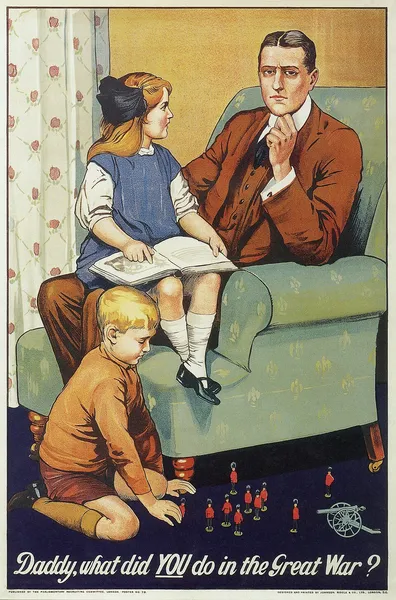
The United Kingdom was a leading Allied Power during the First World War of 1914–1918. They fought against the Central Powers, mainly Germany. The armed forces were greatly expanded and reorganised—the war marked the founding of the Royal Air Force. The highly controversial introduction, in January 1916, of conscription for the first time in British history followed the raising of one of the largest all-volunteer armies in history, known as Kitchener's Army, of more than 2,000,000 men. The outbreak of war was a socially unifying event. Enthusiasm was widespread in 1914, and was similar to that across Europe. On the eve of war, there was serious domestic unrest amongst the labour and suffrage movements and especially in Ireland. But those conflicts were postponed. Significant sacrifices were called for in the name of defeating the Empire's enemies and many of those who could not fight contributed to philanthropic and humanitarian causes. Fearing food shortages and labour shortfalls, the government passed legislation such as the Defence of the Realm Act 1914, to give it new powers. The war saw a move away from the idea of "business as usual" under Prime Minister H. H. Asquith, and towards a state of total war (complete state intervention in public affairs) by 1917 under the premiership of David Lloyd George; the first time this had been seen in Britain. The war also witnessed the first aerial bombardments of cities in Britain. Newspapers played an important role in maintaining popular support for the war. Large quantities of propaganda were produced by the government under the guidance of such journalists as Charles Masterman and newspaper owners such as Lord Beaverbrook. By adapting to the changing demographics of the workforce (or the "dilution of labour", as it was termed), war-related industries grew rapidly, and production increased, as concessions were quickly made to trade unions. In that regard, the war is also credited by some with drawing women into mainstream employment for the first time. Debates continue about the impact the war had on women's emancipation, given that a large number of women were granted the vote for the first time in 1918.
Also on this shelf
Jayne Mansfield.
James Cameron.
See also
Uncatalogued shelfText from Wikipedia; plate via Wikimedia Commons. Text CC BY-SA 4.0; plate freely licensed (see Commons). Source record. Images and catalogue data are reproduced from open-access collections.