Photography
Environmental impact of recreational diving
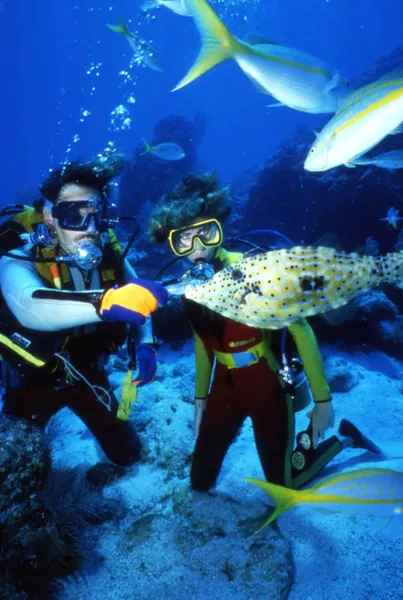
The environmental impact of recreational diving is the effects of recreational scuba diving on the underwater environment, which is largely the effects of diving tourism on the marine environment. It is not uncommon for highly trafficked dive destinations to have more adverse effects with visible signs of diving's negative impacts due in large part to divers who have not been trained to sufficient competence in the skills required for the local environment, an inadequate pre-dive orientation, or lack of a basic understanding of biodiversity and the delicate balance of aquatic ecosystems. There may also be indirect positive effects as the environment is recognised by the local communities to be worth more in good condition than degraded by inappropriate use, and conservation efforts get support from dive communities who promote environmental awareness, and teach low impact diving and the importance of respecting marine life. There are also global coral reef monitoring networks in place which include local volunteer divers assisting in the collection of data for scientific monitoring of coral reef systems, which may eventually have a net positive impact on the environment. During the 20th century recreational scuba diving was considered to have generally low environmental impact, and was consequently one of the activities permitted in most marine protected areas. Since the 1970s diving has changed from an elite activity to a more accessible recreation, marketed to a very wide demographic. To some extent better equipment has been substituted for more rigorous training, and the reduction in perceived risk has shortened minimum training requirements by several training agencies. Training has concentrated on an acceptable risk to the diver, and paid less attention to the environment. The increase in the popularity of diving and in tourist access to sensitive ecological systems has led to the recognition that the activity can have significant environmental consequences. Scuba diving has grown in popularity during the 21st century, as is shown by the number of certifications issued worldwide, which has increased to about 23 million by 2016 at about one million per year.
Also on this shelf
Blois.
Development of The Last of Us (video game).
See also
Uncatalogued shelfText from Wikipedia; plate via Wikimedia Commons. Text CC BY-SA 4.0; plate freely licensed (see Commons). Source record. Images and catalogue data are reproduced from open-access collections.