Photography
Emmett Till
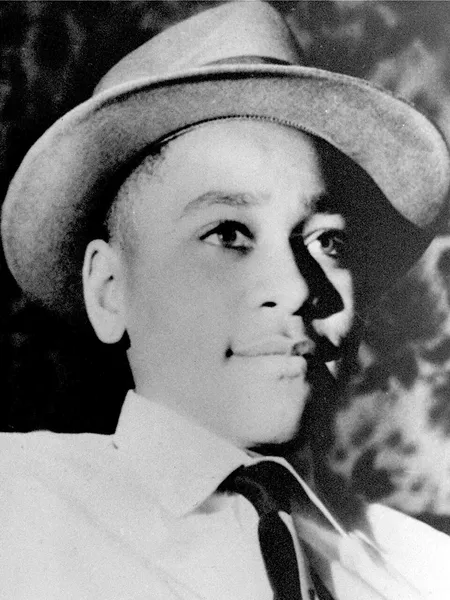
Emmett Louis Till (July 25, 1941 – August 28, 1955) was an African-American boy who, at 14 years old, was abducted and lynched in Mississippi in 1955. The brutality of his murder and the acquittal of his killers drew attention to the long history of violent persecution of African Americans in the United States. Till posthumously became an icon of the civil rights movement. Till was born and raised in Chicago, Illinois. During summer vacation in August 1955, he was visiting relatives near Money, Mississippi, in the Mississippi Delta region. Till spoke to 21-year-old Carolyn Bryant, the white, married proprietor of a local grocery store. Although what happened at the store is a matter of dispute, Till was accused of flirting with, touching, or whistling at Bryant. Till's interaction with Bryant, perhaps unwittingly, violated the unwritten code of behavior for a black male interacting with a white female in the Jim Crow–era South. Several nights after the encounter, Bryant's husband Roy and his half-brother J. W. Milam went to Till's great-uncle's house armed, and abducted Till, age 14. They beat and mutilated him before shooting him in the head and sinking his body in the Tallahatchie River. Three days later, Till's mutilated and bloated body was discovered and retrieved from the river. Till's body was returned to Chicago, where his mother insisted on a public funeral service with an open casket, which was held at Roberts Temple Church of God in Christ. It was later said that "The open-coffin funeral held by Mamie Till Bradley exposed the world to more than her son Emmett Till's bloated, mutilated body. Her decision focused attention on not only American racism and the barbarism of lynching but also the limitations and vulnerabilities of American democracy." Tens of thousands attended his funeral or viewed his open casket, and images of Till's mutilated body were published in black-oriented magazines and newspapers, rallying black support and white sympathy across the United States. Intense scrutiny was brought to bear on the lack of black civil rights in Mississippi, with newspapers around the U.S. critical of the state.
Also on this shelf
Frogman Corps (Denmark).
Armin T. Wegner.
See also
Uncatalogued shelfText from Wikipedia; plate via Wikimedia Commons. Text CC BY-SA 4.0; plate freely licensed (see Commons). Source record. Images and catalogue data are reproduced from open-access collections.