Photography
Cinema of Venezuela
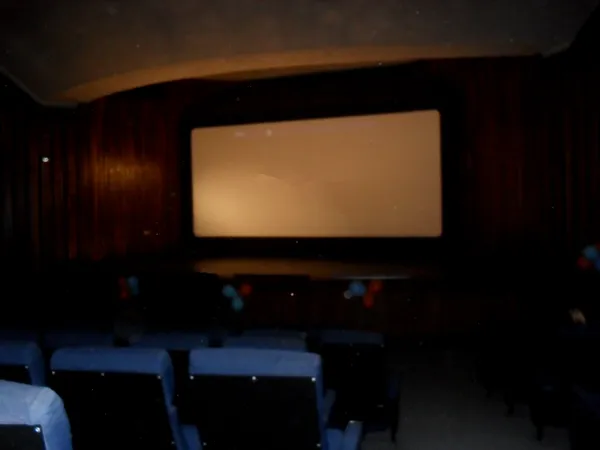
The cinema of Venezuela is the production and industry of filmmaking in Venezuela. Film was introduced to the country in 1896, with the first national films screened in 1897. Several films were made in the last few years of the 19th Century, with a lower rate of production until the 1970s. Venezuelan cinema has evolved through various phases, including early documentary and propaganda films, the emergence of a national industry in the mid-20th century, and the rise of socially engaged cinema during the 1970s and 1980s. In recent decades, Venezuelan filmmakers have gained increasing recognition at international festivals, even as the industry has navigated economic challenges and varying degrees of state involvement. Since the mid-2000s and developing in the 2010s, the more successful national films have been LGBT-related as part of the broader wave of Latin American New Maricón Cinema, with several of the country's Oscar submissions being based in LGBT+ narratives. Notable Venezuelan filmmakers include Román Chalbaud, Margot Benacerraf, Fina Torres, Clemente de la Cerda, Mariana Rondón, Lorenzo Vigas, Jorge Thielen Armand, among others.
Also on this shelf
Avro Shackleton.
Farouk El-Baz.
See also
Uncatalogued shelfText from Wikipedia; plate via Wikimedia Commons. Text CC BY-SA 4.0; plate freely licensed (see Commons). Source record. Images and catalogue data are reproduced from open-access collections.