Painting and Sculpture
Edvard Munch
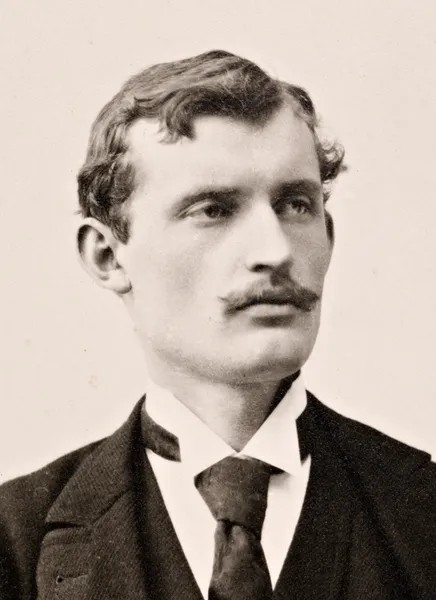
Edvard Munch ( MUUNK; Norwegian: [ˈɛ̀dvɑɖ ˈmʊŋk] ; 12 December 1863 – 23 January 1944) was a Norwegian painter. His 1893 work The Scream has become one of the iconic and acclaimed images in all of Western art. Munch's childhood was overshadowed by illness, bereavement and the dread of inheriting a mental condition that ran in the family. Studying at the Royal School of Art and Design in Kristiania (Oslo), Munch began to live a bohemian life under the influence of the nihilist Hans Jæger, who urged him to paint his own emotional and psychological state ('soul painting'); from this emerged his distinctive style. Travel brought new influences and outlets. In Paris, he learned much from Paul Gauguin, Vincent van Gogh and Henri de Toulouse-Lautrec, especially their use of color. In Berlin, he met the Swedish dramatist August Strindberg, whom he painted, as he embarked on a major series of paintings he later called The Frieze of Life, depicting a series of deeply felt themes such as love, anxiety, jealousy and betrayal, steeped in atmosphere. The Scream was conceived in Kristiania. According to Munch, he was out walking at sunset, when he 'heard the enormous, infinite scream of nature'. The painting's agonized face is widely identified with the angst of the modern person. Between 1893 and 1910, he made two painted versions and two in pastels, as well as a number of prints. One of the pastels eventually commanded the fourth highest nominal price paid for a painting at auction. As his fame and wealth grew, his emotional state remained insecure. He briefly considered marriage, but could not commit himself. A mental breakdown in 1908 forced him to give up heavy drinking, and he was cheered by his increasing acceptance by the people of Kristiania and exposure in the city's museums. His later years were spent working in peace and privacy. Although his works were banned in Nazi-occupied Europe, most of them survived World War II, securing his legacy. Munch displayed a remarkable talent for drawing from an early age, yet he received minimal formal artistic training. A pivotal influence on his artistic growth was his association with the Kristiania Bohème—a progressive circle of writers and artists in Kristiania (the former name of Oslo).
Also on this shelf
Bonaparte Before the Sphinx.
Islamic Museum of Australia.
See also
Uncatalogued shelfText from Wikipedia; plate via Wikimedia Commons. Text CC BY-SA 4.0; plate freely licensed (see Commons). Source record. Images and catalogue data are reproduced from open-access collections.