Natural History
List of Antillian and Bermudan species extinct in the Holocene
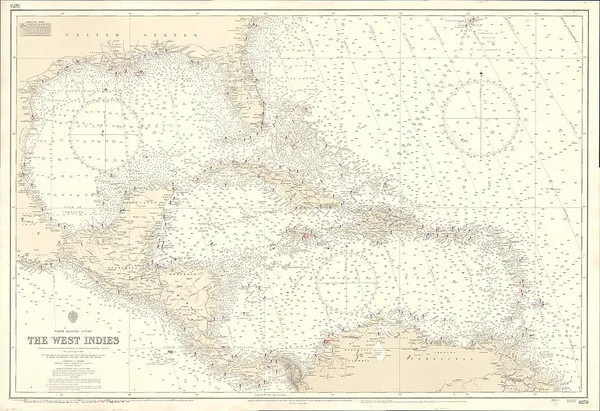
This is a list of Antillian and Bermudan animals extinct in the Holocene that covers extinctions from the Holocene epoch, a geologic epoch that began about 11,650 years before present (about 9700 BCE) and continues to the present day. This list includes the Antilles archipelago and the Bermuda Islands, collectively known as the West Indies, though the Florida Keys and Cozumel are included in the list of North American species extinct in the Holocene due to their geographic and geological proximity to the continent. The indigenous fauna of the West Indies collapsed in the Late Quaternary, with the rate of extinction for terrestrial mammals approaching 79-84%, one of the highest in the world. However, in stark contrast to the American continent, radiocarbon dating indicates that mammals survived the end of the Pleistocene with no apparent, or minimal losses despite localized sea level rise and climate change. The same actually caused some bird extirpations and extinctions on the Bahamas, however. The indigenous peoples of the Caribbean arrived in the middle Holocene and introduced guinea pigs, agoutis, and Native American dogs. While they accelerated the process, it was still not to the extent predicted by the "blitzkrieg" model of Pleistocene extinctions. For example, Caribbean sloths coexisted with humans for up to 400 years, even the largest species, which might indicate that they weren't commonly hunted. Some rodents, like the Puerto Rican hutia and Desmarest's hutia, and even flightless birds like the Antillean cave rail adapted well to human predation and were introduced to new islands by humans. European colonization, beginning with the arrival of Christopher Columbus in 1492, brought in Old World rats, mice, domestic animals, and large-scale deforestation that eradicated many of the native animals and those introduced by indigenous peoples alike. The most recent extinctions happened after the late 19th century, following the introduction of the small Indian mongoose for rat control. Many extinction dates are unknown due to a lack of relevant information.
Also on this shelf
County Donegal.
Amani Nature Reserve.
See also
Uncatalogued shelfText from Wikipedia; plate via Wikimedia Commons. Text CC BY-SA 4.0; plate freely licensed (see Commons). Source record. Images and catalogue data are reproduced from open-access collections.