Natural History
De-extinction
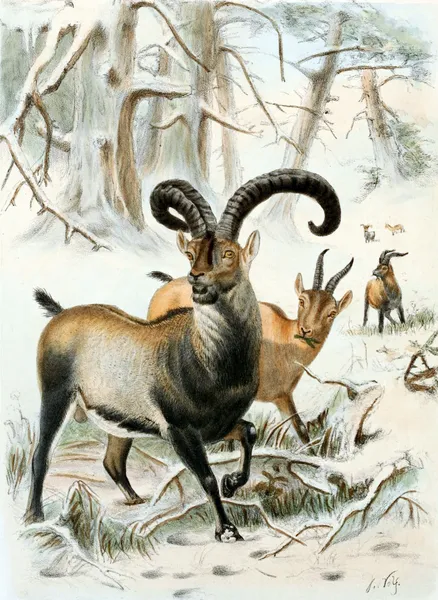
De-extinction (also known as resurrection biology, or species revivalism) is the process of human intervention to generate an organism that either resembles or is an extinct organism. There are several ways to carry out the process of de-extinction. Cloning is the most widely proposed method, although genome editing and selective breeding have also been considered. Similar techniques have been applied to certain endangered species, in hopes of boosting their genetic diversity. The only method of the three that would provide an animal with the same genetic identity is cloning. There are benefits and drawbacks to the process of de-extinction ranging from technological advancements to ethical issues.
Also on this shelf
Atlantic Forest.
European rabbit.
See also
- ▸Arcata Wastewater Treatment Plant and Wildlife Sanctuary
- ▸Ben Lomond (Tasmania)
- ▸Cretaceous–Paleogene extinction event
Text from Wikipedia; plate via Wikimedia Commons. Text CC BY-SA 4.0; plate freely licensed (see Commons). Source record. Images and catalogue data are reproduced from open-access collections.