Natural History
Bird intelligence
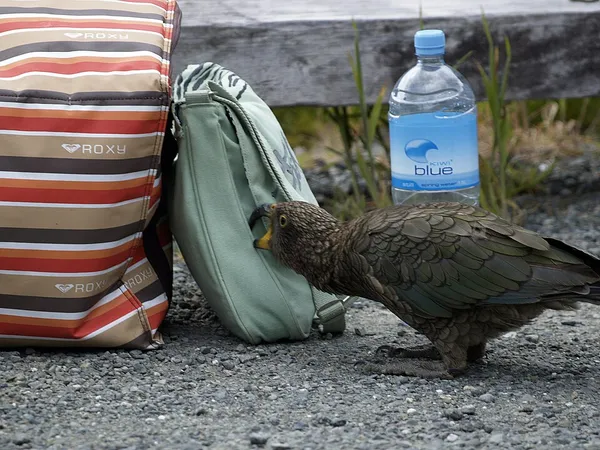
The difficulty of defining or measuring intelligence in non-human animals makes the question of avian intelligence resistant to scientific study. In general, birds have relatively large brains compared to their head size. Furthermore, bird brains have two to four times the neuron packing density of mammal brains, for higher overall efficiency. The visual and auditory senses are well developed in most species, though the tactile and olfactory senses are well realised only in a few groups. Birds communicate using visual signals as well as through the use of calls and song. The testing of intelligence in birds is therefore usually based on studying responses to sensory stimuli. Corvids (including ravens, crows, nutcrackers, magpies, and jays) and parrots are often considered the most intelligent birds, and are among the most intelligent animals in general. Columbids (pigeons and doves), starlings (including mynas), finches, chickens, waterfowl such as ducks, penguins, sea birds such as auks (including puffins), albatrosses, pelicans and gulls, cardinals, thrushes (including robins), waxwings, toucans, ratites (ostriches, emus and kiwis), woodpeckers, hummingbirds, Artamids such as Australian magpies, and birds of prey such as eagles, hawks, and owls have also been regarded for their skills and have been subjects of studies.
Also on this shelf
Habitat conservation.
Drongo.
See also
Uncatalogued shelfText from Wikipedia; plate via Wikimedia Commons. Text CC BY-SA 4.0; plate freely licensed (see Commons). Source record. Images and catalogue data are reproduced from open-access collections.