Natural History
Influenza A virus subtype H5N1
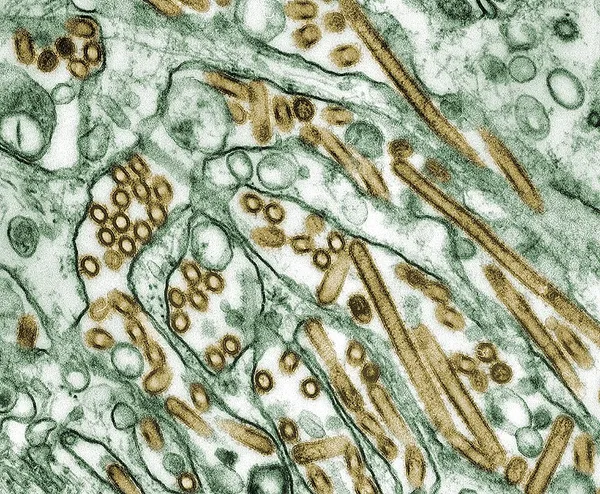
Influenza A virus subtype H5N1 (A/H5N1) is a subtype of the influenza A virus that causes the disease avian influenza (often referred to as "bird flu"). It is enzootic (maintained in the population) in many bird populations, and also panzootic (affecting animals of many species over a wide area). A/H5N1 virus can also infect mammals (including humans) that have been exposed to infected birds; in these cases, symptoms can be severe or fatal. A/H5N1 virus is shed in the saliva, mucus, and feces of infected birds; other infected animals may shed bird flu viruses in respiratory secretions and other body fluids (such as milk). The virus can spread rapidly through poultry flocks and among wild birds. As of December 2024, an estimated half billion farmed birds have been slaughtered in efforts to contain the virus. Symptoms of A/H5N1 influenza vary according to both the strain of virus underlying the infection and on the species of bird or mammal affected. Classification as either Low Pathogenic Avian Influenza (LPAI) or High Pathogenic Avian Influenza (HPAI) is based on the severity of symptoms in domestic chickens and does not predict the severity of symptoms in other species. Chickens infected with LPAI A/H5N1 virus display mild symptoms or are asymptomatic, whereas HPAI A/H5N1 causes serious breathing difficulties, a significant drop in egg production, and sudden death. In mammals, including humans, A/H5N1 influenza (whether LPAI or HPAI) is rare. Symptoms of infection vary from mild to severe, including fever, diarrhea, and cough. Between 2003 and December 2025, the World Health Organization has recorded 993 cases of confirmed H5N1 influenza, leading to 477 deaths. The true fatality rate is presumably lower because cases with mild symptoms may not have been identified as H5N1. HPAI A/H5N1 influenza virus was first identified in farmed geese in southern China in 1996. Between 1996 and 2018, A/H5N1 coexisted in bird populations with other subtypes of the virus, but since then, the highly pathogenic subtype HPAI A(H5N1) has become the dominant strain in bird populations worldwide. Some strains of A/H5N1 which are highly pathogenic to chickens have adapted to cause mild symptoms in ducks and geese, and are able to spread rapidly through bird migration.
Also on this shelf
Alf Wollebæk.
Guadalupe storm petrel.
See also
Uncatalogued shelfText from Wikipedia; plate via Wikimedia Commons. Text CC BY-SA 4.0; plate freely licensed (see Commons). Source record. Images and catalogue data are reproduced from open-access collections.