Natural History
Domestication
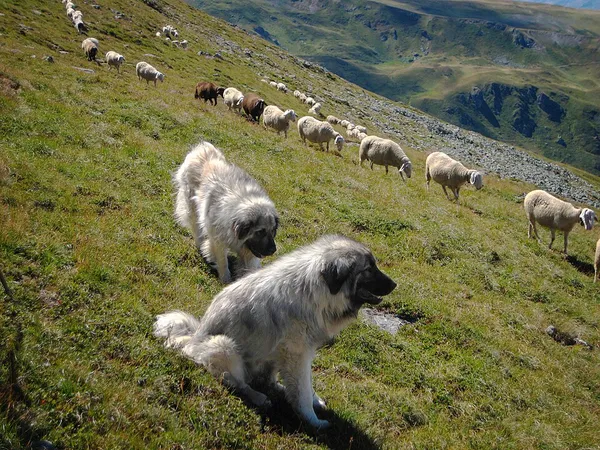
Domestication is a multi-generational mutualistic relationship in which an animal species, such as humans or leafcutter ants, takes over control and care of another species, such as sheep or fungi, to obtain from them a steady supply of resources, such as meat, milk, or labor. The process is gradual and geographically diffuse, based on trial and error. Domestication affects genes for behavior in animals, making them less aggressive. In plants, domestication affects genes for morphology, such as increasing seed size and stopping the shattering of cereal seedheads. Such changes both make domesticated organisms easier to handle and reduce their ability to survive in the wild. Terrestrial vertebrates are the first animals to be domesticated by humans, with the earliest domestication of vertebrates being the domestication of dogs from wolves, who diverged from their wild relatives and developed a commensal relationship with Upper Paleolithic/Mesolithic humans at least 15,000 years ago during the Late Pleistocene. Other animals, including goats, sheep, and cows, were domesticated around 11,000 years ago. Among birds, the chicken was first domesticated in East Asia at least 3,250 years ago. The horse came under domestication around 5,500 years ago in central Asia as a riding animal. For aquatic vertebrates (fish), the Gunditjmara Aboriginal people in southwestern Victoria, Australia may have raised short-finned eels as early as about 4,580 BCE, and the local Budj Bim Cultural Landscape (a World Heritage Site) is one of the oldest known aquaculture sites in the world. Common carp were cultivated in Ancient China as early as 2000–2100 BCE (around 4,000 years BP) as per oral tradition, and the earliest written evidence lies in a Spring and Autumn period monograph by Fan Li called The Classic of Fish Culture, written around 475 BCE (c. 2475 BP). Circumstantial evidence from the Jiahu archaeological site from prehistoric China also speculated possible aquaculture locations dating from 6200 BCE (about 8,200 years BP), where trapped carp were fed with nymphs and silkworm faeces. Among invertebrates, the silkworm and the western honey bee were domesticated over 5,000 years ago for silk and honey, respectively.
Also on this shelf
Dulit frogmouth.
Canaan Valley.
See also
Uncatalogued shelfText from Wikipedia; plate via Wikimedia Commons. Text CC BY-SA 4.0; plate freely licensed (see Commons). Source record. Images and catalogue data are reproduced from open-access collections.