Natural History
Fauna of Florida
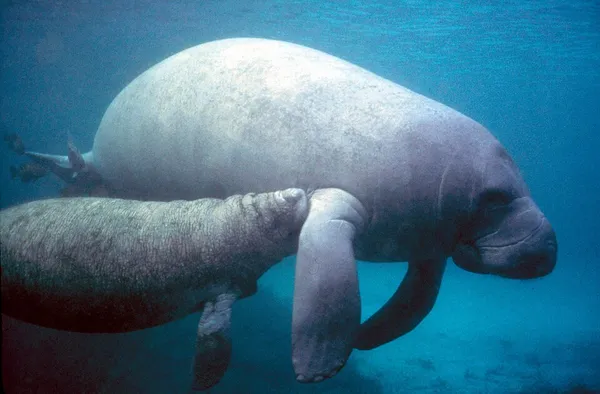
Florida hosts many types of fauna from its coral reefs of the Florida Keys to the cypress swamps of the Panhandle and along its extensive coastline and barrier islands, the state's diverse habitats are home to a variety of wildlife. Florida is among the top five states in terms of endemic species. There are over 700 terrestrial animals, 200 freshwater fish species, 1,000 marine fish and thousands of terrestrial insects and other invertebrates that inhabit the state. Florida's peninsular geography spans from subtropical to tropical zones, which, combined with its distinctive geology and climate, contribute to habitat diversity and an array of species. The native wildlife that exists in the state are of temperate and tropical origin. Florida once had a large number of species that formerly occupied the state in prehistoric and historic times, but became locally extinct or extirpated; such as the Florida short-faced bear, Florida black wolf, Dire wolf, Dexteria floridana, Florida bog lemming, Long-nosed peccary, Caribbean monk seal, Carolina parakeet, Great auk, Passenger pigeon, Ivory-billed woodpecker, Bachman's warbler, Dusky seaside sparrow, Pallid beach mouse, Chadwick Beach cotton mouse, Goff's pocket gopher, California condor, Island raccoon, Northern short-tailed shrew, magpie, indigo snake, northern leopard frog, porcupine, great black hawk, red wolf, elk, hog-nosed skunk, gray wolf, underwood's bonneted bat, Pristine mustached bat, white-tailed jackrabbit, band-tailed pigeon, jaguar, margay, jabiru, ocelot, ghost-faced bat, collared peccary, great-tailed grackle, ringed kingfisher, common opossum, gray-breasted crake, Northern jacana, yellow-headed caracara, ruffed grouse, Southern lapwing and greater prairie chicken.
Also on this shelf
Cumbres de Monterrey National Park.
Great Black Swamp.
See also
Uncatalogued shelfText from Wikipedia; plate via Wikimedia Commons. Text CC BY-SA 4.0; plate freely licensed (see Commons). Source record. Images and catalogue data are reproduced from open-access collections.