Natural History
Domestication of vertebrates
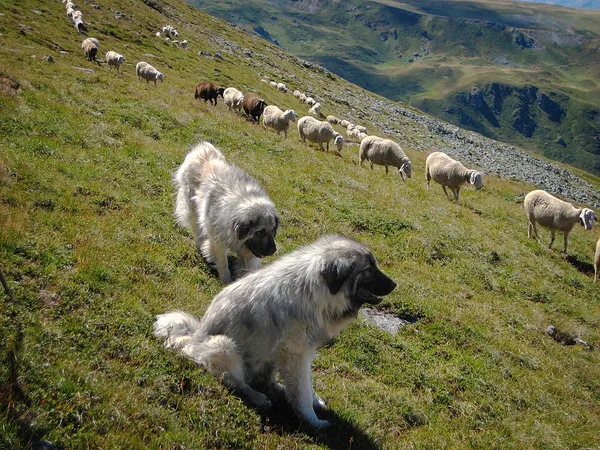
The domestication of vertebrates is the mutual relationship between vertebrate animals, including birds and mammals, and the humans who influence their care and reproduction. Charles Darwin recognized a small number of traits that made domesticated species different from their wild ancestors. He was also the first to recognize the difference between conscious selective breeding (i.e. artificial selection) in which humans directly select for desirable traits, and unconscious selection where traits evolve as a by-product of natural selection or from selection of other traits. There is a genetic difference between domestic and wild populations. There is also a genetic difference between the domestication traits that researchers believe to have been essential at the early stages of domestication, and the improvement traits that have appeared since the split between wild and domestic populations. Domestication traits are generally fixed within all domesticates, and were selected during the initial episode of domestication of that animal or plant, whereas improvement traits are present only in a portion of domesticates, though they may be fixed in individual breeds or regional populations. Domestication should not be confused with taming. Taming is the conditioned behavioral modification of a wild-born animal when its natural avoidance of humans is reduced and it accepts the presence of humans, but domestication is the permanent genetic modification of a bred lineage that leads to an inherited predisposition toward humans.
Also on this shelf
Canaima National Park.
Cabras Islets.
See also
Uncatalogued shelfText from Wikipedia; plate via Wikimedia Commons. Text CC BY-SA 4.0; plate freely licensed (see Commons). Source record. Images and catalogue data are reproduced from open-access collections.