Natural History
Arctic National Wildlife Refuge
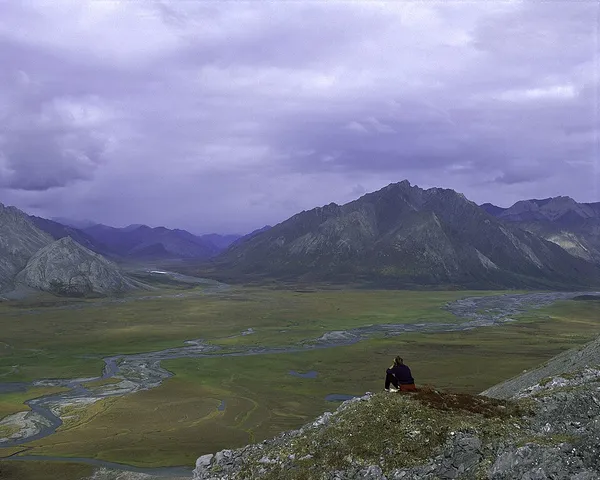
The Arctic National Wildlife Refuge (ANWR, pronounced as "ANN-warr") or Arctic Refuge is a national wildlife refuge in northeastern Alaska, United States, on traditional Iñupiaq and Gwich'in lands. The refuge covers an area of 19,286,722 acres (78,050.59 km2) in the Alaska North Slope region, with a northern coastline and vast inland forest, taiga, and tundra regions. ANWR is the largest national wildlife refuge in the country, slightly larger than the Yukon Delta National Wildlife Refuge. The refuge is administered from offices in Fairbanks. ANWR is home to a diverse range of endemic mammal species; notably, it is one of the few North American locations with all three endemic American bears, the polar bear, grizzly bear, and American black bear, each of which resides predominantly in its own ecological niche. Besides bears, other mammal species include moose, caribou, wolves, red and Arctic foxes, Canada lynx, wolverine, pine marten, American beaver, and North American river otter. Further inland, mountain goats may be seen near the slope. Hundreds of species of migratory birds visit the refuge yearly, and it is a vital, protected breeding location for them. Snow geese, eiders and snowy owls may be observed as well. Just across the border in Yukon, Canada, are two Canadian National Parks, Ivvavik and Vuntut.
Also on this shelf
Black rhinoceros.
Carnegie Museum of Natural History.
See also
Uncatalogued shelfText from Wikipedia; plate via Wikimedia Commons. Text CC BY-SA 4.0; plate freely licensed (see Commons). Source record. Images and catalogue data are reproduced from open-access collections.