Natural History
Animal welfare
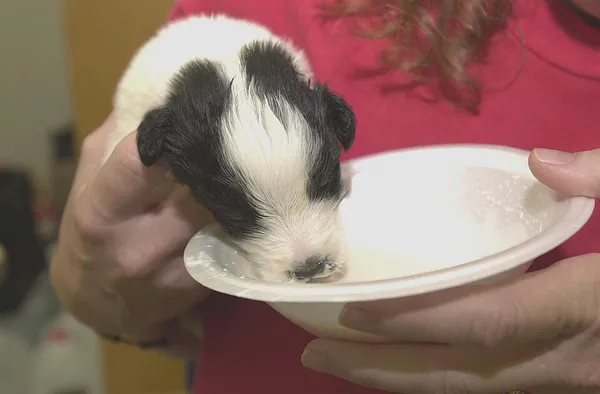
Animal welfare is the quality of life and overall well-being of animals. Formal standards of animal welfare vary between contexts, but are debated mostly by animal welfare groups, legislators, and academics. Animal welfare science uses measures such as longevity, disease, immunosuppression, behavior, physiology, and reproduction, although there is debate about which of these best indicate animal welfare. Respect for animal welfare is often based on the belief that nonhuman animals are sentient and that consideration should be given to their well-being or suffering, especially when they are under the care of humans. These concerns can include how animals are slaughtered for food, how they are used in scientific research, how they are kept (as pets, in zoos, farms, circuses, etc.), and how human activities affect the welfare and survival of wild species. There are two forms of criticism of the concept of animal welfare, coming from diametrically opposite positions. One view, held by some thinkers in history, holds that humans have no duties of any kind to animals. The other view is based on the animal rights position that animals should not be regarded as objects and any use of animals by humans is unacceptable. Accordingly, some animal rights proponents argue that the perception of better animal welfare is used as an excuse for continued exploitation of animals. Some authorities therefore treat animal welfare and animal rights as two opposing positions. Others see animal welfare gains as incremental steps towards animal rights.
Also on this shelf
Cuban moist forests.
Celtis occidentalis.
See also
Uncatalogued shelfText from Wikipedia; plate via Wikimedia Commons. Text CC BY-SA 4.0; plate freely licensed (see Commons). Source record. Images and catalogue data are reproduced from open-access collections.