Natural History
Fish farming
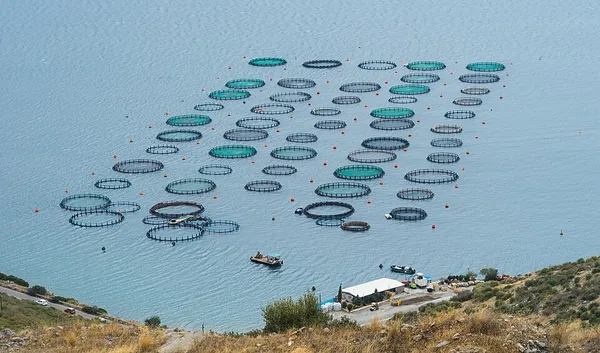
Fish farming or pisciculture involves commercial breeding of fish, most often for food, in fish tanks or artificial enclosures such as fish ponds. It is a particular type of aquaculture, which is the controlled cultivation and harvesting of aquatic animals such as fish, crustaceans, molluscs and so on, in natural or pseudo-natural environments. A facility that releases juvenile fish into the wild for recreational fishing or to supplement a species' natural numbers is generally referred to as a fish hatchery. Worldwide, the most important fish species produced in fish farming are carp, catfish, salmon and tilapia. Global demand is increasing for dietary fish protein, which has resulted in widespread overfishing in wild fisheries, resulting in a significant decrease in fish stocks and even complete depletion in some regions. Fish farming allows establishment of artificial fish colonies that are provided with sufficient feeding, protection from natural predators and competitive threats, access to veterinarian service, and easier harvesting when needed, while being separate from and thus does not usually impact the sustainable yields of wild fish populations. While fish farming is practised worldwide, China alone provides 62% of the world's farmed fish production. As of 2016, more than 50% of seafood was produced by aquaculture. In the last three decades, aquaculture has been the main driver of the increase in fisheries and aquaculture production, with an average growth of 5.3 percent per year between 2000 and 2018, rising from 32.4 to 82.1 million tonnes. Farming carnivorous fish such as salmon, however, does not always reduce pressure on wild fisheries, since such farmed fish are usually fed fishmeal and fish oil extracted from wild forage fish. Fish farming is a source of water pollution, and diseases and parasites can spread to wild populations. There are also fish welfare concerns related to overcrowding, which causes stress, injuries, and disease. Although fish farming for food is the most widespread, another major fish farming industry provides living fish for the aquarium trade.
Also on this shelf
Flora of Scotland.
Biodiversity of Wales.
See also
Uncatalogued shelfText from Wikipedia; plate via Wikimedia Commons. Text CC BY-SA 4.0; plate freely licensed (see Commons). Source record. Images and catalogue data are reproduced from open-access collections.