Natural History
Assisted natural regeneration
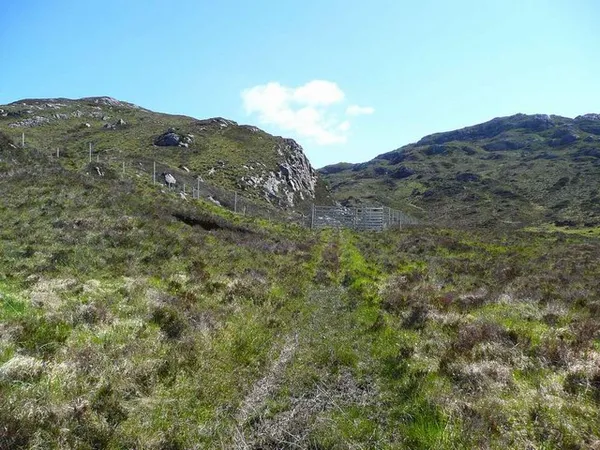
Assisted natural regeneration (ANR) (also termed managed regrowth) is the human protection and preservation of natural tree seedlings in forested areas. Seedlings are, in particular, protected from undergrowth and extremely flammable plants such as Imperata grass. Though there is no formal definition or methodology, the overall goal of ANR is to create and improve forest productivity. It typically involves the reduction or removal of barriers to natural regeneration such as soil degradation, competition with weeds, grasses or other vegetation, and protection against disturbances, which can all interfere with growth. In addition to protection efforts, new trees are planted when needed or wanted (enrichment planting). With ANR, forests grow faster than they would naturally, resulting in a significant contribution to carbon sequestration efforts. It also serves as a cheaper alternative to reforestation due to decreased nursery needs. The most effective way to implement ANR is very site-specific, and many nations provide guidebooks on how to select and maintain an ANR project.
Also on this shelf
Alexander Wetmore.
Conservation in India.
See also
Uncatalogued shelfText from Wikipedia; plate via Wikimedia Commons. Text CC BY-SA 4.0; plate freely licensed (see Commons). Source record. Images and catalogue data are reproduced from open-access collections.