Natural History
Conservation in Belize
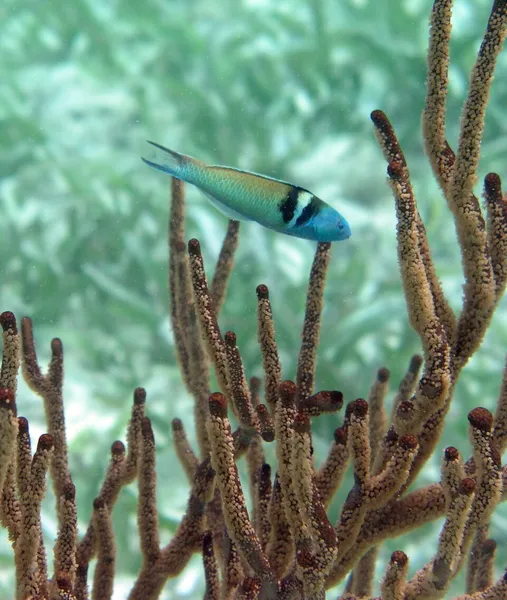
Since declaring independence in 1981, Belize has enacted many environmental protection laws aimed at the preservation of the country's natural and cultural heritage, as well as its wealth of natural resources. These acts have established a number of different types of protected areas, including wildlife sanctuaries, national parks, and marine reserves, with each category having its own set of regulations dictating public access, resource extraction, land use and ownership. Roughly 37.32% of Belizean land and 20.38% of marine areas are preserved within a total of 119 reserves, which vary in their purpose and level of protection. This network of protected areas exists under a variety of management structures: 1,900,469 acres (769,093 ha) of terrestrial reserves; 392,970 acres (159,030 ha) of marine reserves; 317,615 acres (128,534 ha) protected through officially recognised private conservation initiatives. However, most of these protected areas are actually for the management of resource use and extraction, rather than for the preservation of the environment. Early colonial history established foundations for conservation systems like land ordinances and forest regulations, which prioritized economic sustainability and resource control over environmental preservation.
Also on this shelf
Amani Nature Reserve.
Blossom expedition.
See also
Uncatalogued shelfText from Wikipedia; plate via Wikimedia Commons. Text CC BY-SA 4.0; plate freely licensed (see Commons). Source record. Images and catalogue data are reproduced from open-access collections.