Natural History
Egg incubation
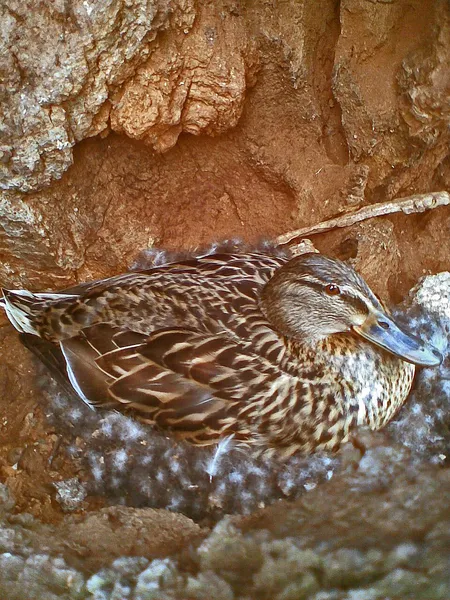
Egg incubation is the process by which an egg, of oviparous (egg-laying) animals, develops an embryo within the egg, after the egg's formation and ovipositional release. Egg incubation is done under favorable environmental conditions, possibly by brooding and hatching the egg. Multiple and various factors are vital to the incubation of various species of animals. In many species of reptile for example, no fixed temperature is necessary, but the actual temperature determines the sex ratio of the offspring. In birds, the sex of offspring is genetically determined, but in many species a constant and particular temperature is necessary for successful incubation. Especially in poultry, the act of sitting on eggs to incubate them is called brooding. The action or behavioral tendency to sit on a clutch of eggs is also called broodiness, and most egg-laying breeds of poultry have had this behavior selectively bred out of them to increase production.
Also on this shelf
Adolphus Clemens Good.
Channel Islands (California).
See also
Uncatalogued shelfText from Wikipedia; plate via Wikimedia Commons. Text CC BY-SA 4.0; plate freely licensed (see Commons). Source record. Images and catalogue data are reproduced from open-access collections.