Natural History
Evolutionary physiology
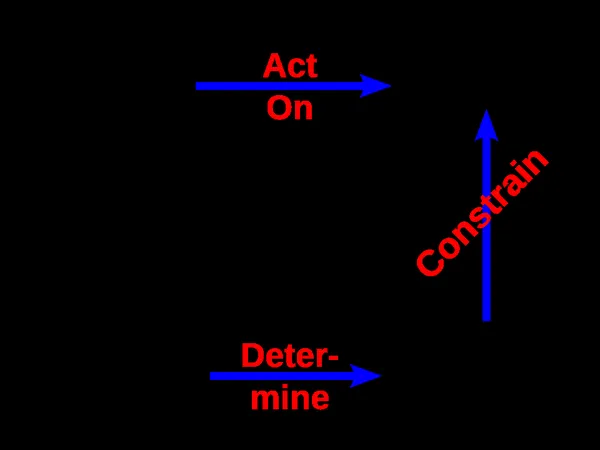
Evolutionary physiology is the study of the biological evolution of physiological structures and processes; that is, the manner in which the functional characteristics of organisms have responded to natural selection or sexual selection or changed by random genetic drift across multiple generations during the history of a population or species. It is a sub-discipline of both physiology and evolutionary biology. Practitioners in the field come from a variety of backgrounds, including physiology, evolutionary biology, ecology, and genetics. Accordingly, the range of phenotypes studied by evolutionary physiologists is broad, including life history traits, behavior, whole-organism performance, functional morphology, biomechanics, anatomy, classical physiology, endocrinology, biochemistry, and molecular evolution. The field is closely related to comparative physiology, ecophysiology, and environmental physiology, and its findings are a major concern of evolutionary medicine. One definition that has been offered is "the study of the physiological basis of fitness, namely, correlated evolution (including constraints and trade-offs) of physiological form and function associated with the environment, diet, homeostasis, energy management, longevity, and mortality and life history characteristics".
Also on this shelf
Bermuda Aquarium, Museum and Zoo.
Koyna Wildlife Sanctuary.
See also
Uncatalogued shelfText from Wikipedia; plate via Wikimedia Commons. Text CC BY-SA 4.0; plate freely licensed (see Commons). Source record. Images and catalogue data are reproduced from open-access collections.