Natural History
Coprosma robusta
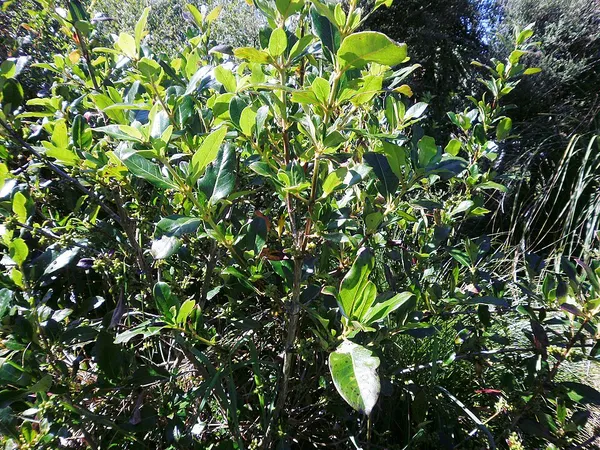
Coprosma robusta, commonly known as karamū, is a flowering plant in the family Rubiaceae that is endemic to New Zealand. It can survive in many climates, but is most commonly found in coastal areas, lowland forests, or shrublands. Karamū can grow to be around 6 meters (20 feet) tall, and grow leaves up to 12 centimeters (4.7 inches) long. Karamū is used for a variety of purposes in human culture. The fruit that karamū produces can be eaten, and the shoots of karamū are sometimes used for medical purposes.
Also on this shelf
American goshawk.
Galápagos land iguana.
See also
Uncatalogued shelfText from Wikipedia; plate via Wikimedia Commons. Text CC BY-SA 4.0; plate freely licensed (see Commons). Source record. Images and catalogue data are reproduced from open-access collections.