Natural History
List of animals displaying homosexual behavior
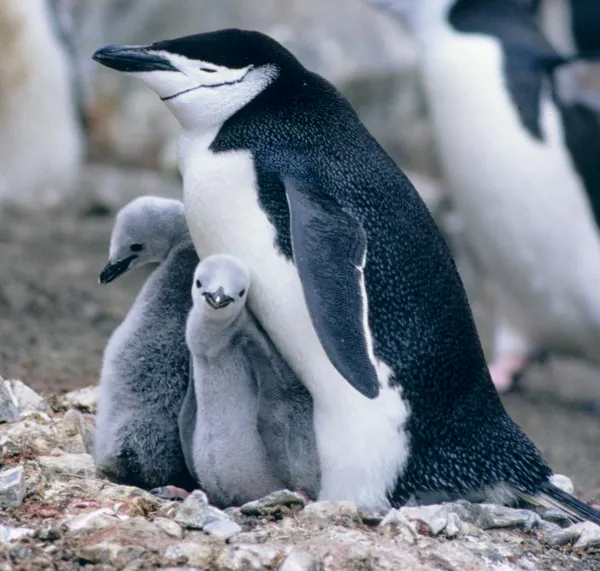
For these animals, there is documented evidence of homosexual behavior of one or more of the following kinds: sex, courtship, affection, pair bonding, or parenting, as noted in researcher and author Bruce Bagemihl's 1999 book Biological Exuberance: Animal Homosexuality and Natural Diversity. Bagemihl writes that the presence of same-sex sexual behavior was not "officially" observed on a large scale until the 1990s due to observer bias caused by social attitudes towards nonheterosexual people, making the homosexual theme taboo. Bagemihl devotes three chapters, "Two Hundred Years at Looking at Homosexual Wildlife", "Explaining (Away) Animal Homosexuality" and "Not For Breeding Only" in his 1999 book Biological Exuberance to the "documentation of systematic prejudices" where he notes "the present ignorance of biology lies precisely in its single-minded attempt to find reproductive (or other) 'explanations' for homosexuality, transgender, and non-procreative and alternative heterosexualities." Petter Bøckman, academic adviser for the Against Nature? exhibit, stated "[M]any researchers have described homosexuality as something altogether different from sex. They must realize that animals can have sex with who they will, when they will and without consideration to a researcher's ethical principles." Homosexual behavior is found amongst social birds and mammals, particularly the sea mammals and the primates. In 1986, it was even discovered amongst insects when butterfly scientist W.J. Tennent observed four male Mazarine blues competing for the attention of another male in Morocco. Sexual behavior takes many different forms, even within the same species and the motivations for and implications of their behaviors have yet to be fully understood. Bagemihl's research shows that homosexual behavior, not necessarily sex, has been documented in about five hundred species as of 1999, ranging from primates to gut worms. Homosexuality in animals is seen as controversial by social conservatives because it asserts the naturalness of homosexuality in humans, while others counter that it has no implications and is nonsensical to equate natural animal behaviors to morality. Sexual preference and motivation is always inferred from behavior. Thus homosexual behavior has been given a number of terms over the years.
Also on this shelf
Eastern cottontail.
Himalayan marmot.
See also
Uncatalogued shelfText from Wikipedia; plate via Wikimedia Commons. Text CC BY-SA 4.0; plate freely licensed (see Commons). Source record. Images and catalogue data are reproduced from open-access collections.