Natural History
Buffer zone
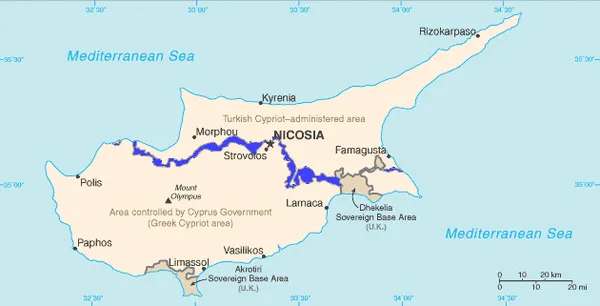
A buffer zone, also historically known as a march, is a neutral area that lies between two or more bodies of land; usually, between countries. Depending on the type of buffer zone, it may serve to separate regions or conjoin them. Common types of buffer zones are demilitarized zones, border zones and certain restrictive easement zones and green belts. Such zones may be comprised by a sovereign state, forming a buffer state. Buffer zones have various purposes, politically or otherwise. They can be set up for a multitude of reasons, such as to prevent violence, protect the environment, shield residential and commercial zones from industrial accidents or natural disasters, or even isolate prisons. Buffer zones often result in large uninhabited regions that become unintentional de facto wildlife sanctuary. Notable examples of this phenomenon include the Korean Demilitarized Zone, the United Nations Buffer Zone in Cyprus, and the Chernobyl exclusion zone.
Also on this shelf
Indian grey mongoose.
Belfast Zoo.
See also
Uncatalogued shelfText from Wikipedia; plate via Wikimedia Commons. Text CC BY-SA 4.0; plate freely licensed (see Commons). Source record. Images and catalogue data are reproduced from open-access collections.