Natural History
Cloaca
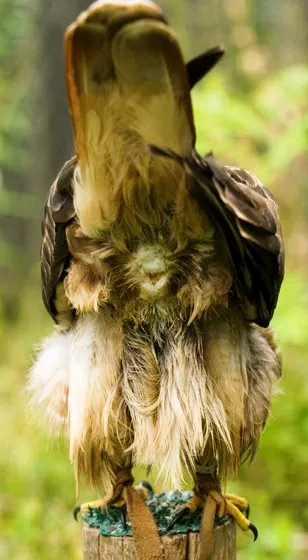
A cloaca ( kloh-AY-kə), pl.: cloacae ( kloh-AY-see or kloh-AY-kee), or vent, is the rear orifice that serves as the only opening for the digestive (rectum), reproductive, and urinary tracts (if present) of many vertebrate animals. All amphibians, reptiles, birds, cartilaginous fish and a few mammals (monotremes, afrosoricids, and marsupial moles) have this orifice, from which they excrete both urine and feces; this is in contrast to most placental mammals, which have separate orifices for evacuation and reproduction. Excretory openings with analogous purpose in some invertebrates are also sometimes called cloacae. Mating through the cloaca is called cloacal copulation and cloacal kissing. The cloacal region is also often associated with a secretory organ, the cloacal gland, which has been implicated in the scent-marking behavior of some reptiles, marsupials, amphibians, and monotremes.
Also on this shelf
Cleaning symbiosis.
Allen's chipmunk.
See also
Uncatalogued shelfText from Wikipedia; plate via Wikimedia Commons. Text CC BY-SA 4.0; plate freely licensed (see Commons). Source record. Images and catalogue data are reproduced from open-access collections.