Natural History
Animal husbandry
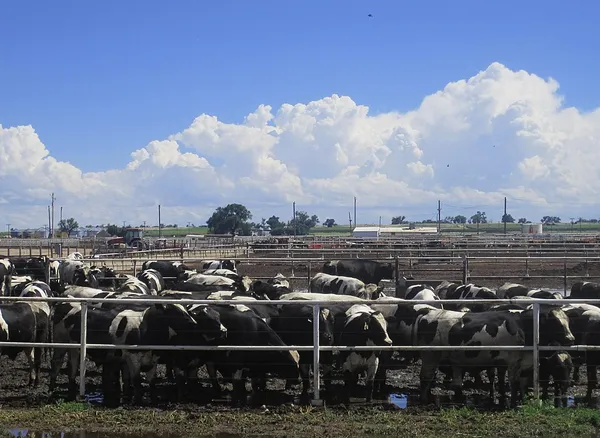
Animal husbandry is the branch of agriculture concerned with the human practices of raising captive or domesticated animals for harvesting valuable animal products or to train animals to provide labour or services. It involves the day-to-day management, feeding, nutrition and health, selective breeding, assisted birth, grooming, marketing and harvest of products such as meat, milk, eggs, fibre and hide of primarily domesticated terrestrial mammals (cattle, sheep/goats, horses, pigs, etc.) and birds (i.e. poultry, mainly chicken, ducks and geese) collectively known as livestock, although the practice can be extended to various reptiles (e.g. crocodile, snake and turtle farming) and amphibians (e.g. frog farming) — collectively known as herpetoculture — and insects (e.g. beekeeping, sericulture, maggot and cockroach farming) and worms (e.g. earthworm and leech farming), as well as the cultivation of aquatic animals (aquaculture) such as fish, crustaceans (e.g. shrimps, crabs, crayfish and lobsters), molluscs (e.g. clams, oysters, abalones, geoducks and potentially coleoids) and echinoderms (primarily sea cucumbers). Animal husbandry has a long history, and was an important part of the human evolution from nomadic hunter-gatherers to agrarian/pastoralist societies that are either sedentary or semi-nomadic. Human domestication of vertebrates first started with taming of dogs more than 17,500 years ago, preceding the Neolithic Revolution, which started around 13,000 BC with the artificial cultivation of the first crops and tame animals. In early Bronze Age civilizations like Ancient Egypt, Sumeria, Indus and China, livestock such as cattle, sheep, goats and pigs were already being raised on farms as supplementary produce, while herding of grazing livestock was the dominant way of life among the nomadic pastoralist tribes and horseback confederacies of Inner Asia and northern Africa. Major changes took place in the Columbian exchange, when Old World livestock were brought to the New World, and then in the British Agricultural Revolution of the 18th century, when livestock breeds like the Dishley Longhorn cattle and Lincoln Longwool sheep were rapidly improved by agriculturalists such as Robert Bakewell, to yield more meat, milk and wool.
Also on this shelf
Ecology of the San Francisco Estuary.
Altruism (biology).
See also
Uncatalogued shelfText from Wikipedia; plate via Wikimedia Commons. Text CC BY-SA 4.0; plate freely licensed (see Commons). Source record. Images and catalogue data are reproduced from open-access collections.