Natural History
Biodiversity of New Zealand
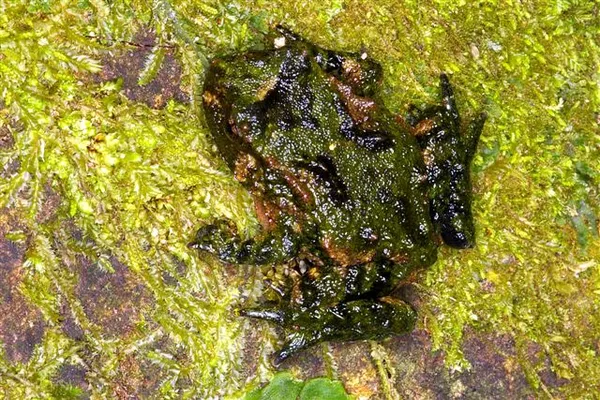
The biodiversity of New Zealand, a large island country located in the south-western Pacific Ocean, is varied and distinctive. The species of New Zealand accumulated over many millions of years as lineages evolved in the local circumstances. New Zealand's pre-human biodiversity exhibited high levels of species endemism, but has experienced episodes of biological turnover. Global extinction approximately 66 Ma (million years ago) resulted in the loss of fauna such as non-avian dinosaurs, pterosaurs and marine reptiles e.g. mosasaurs, elasmosaurs and plesiosaurs. The ancient fauna is not well known, but at least one species of terrestrial mammal existed in New Zealand around 19 Ma. For at least several million years before the arrival of humans, the islands had no terrestrial mammals except for bats and seals, the main component of the terrestrial fauna being insects and birds. It was not until the 14th century CE that new species were introduced by humans. New Zealand has developed a national biodiversity action plan to address conservation of considerable numbers of threatened flora and fauna within New Zealand.
Also on this shelf
Elfin Forest Natural Area.
Elliott Coues.
See also
Uncatalogued shelfText from Wikipedia; plate via Wikimedia Commons. Text CC BY-SA 4.0; plate freely licensed (see Commons). Source record. Images and catalogue data are reproduced from open-access collections.