Musical Instruments
Irish traditional music
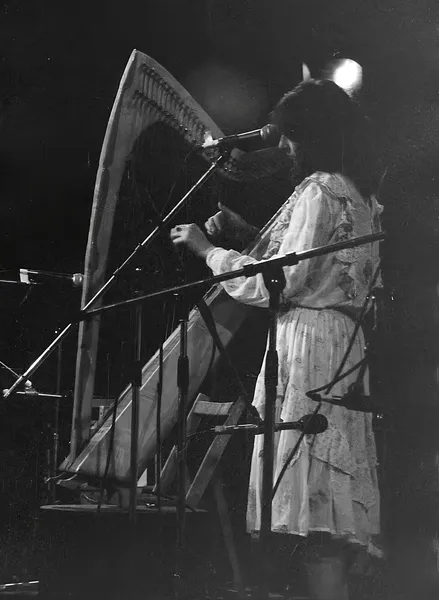
Irish traditional music (also known as Irish trad, Irish folk music and similar names) is a genre of folk music that developed in Ireland. Following the establishment of the Irish Free State, Irish traditional music gained increased cultural significance as a symbol of national identity. It became associated with Ireland's Gaelic past and the context of nationalism and post-independence values. In A History of Irish Music (1905), W. H. Grattan Flood wrote that, in Gaelic Ireland, there were at least ten instruments in general use. These were the crwth (a small rubbed strings harp) and cláirseach (a bigger harp with typically 30 strings), the tiompán (a small string instrument played with a bow or plectrum), the feadán (a fife), the buinne (an oboe or flute), the guthbuinne (a bassoon-type horn), the beannbhuabhal and corn (hornpipes), the cuislenna (bagpipes – see Great Irish warpipes), the stoc and storgán (clarions or trumpets), and the cnámha (bones). Within the tradition, there is poetic reference to the use of a fiddle as far back as the 7th century, which predates the development of the modern violin by around 900 years. There are several collections of Irish folk music from the 18th century, but it was not until the 19th century that ballad printers became established in Dublin. Important collectors include Colm Ó Lochlainn, George Petrie, Edward Bunting, Francis O'Neill, James Goodman and many others. Though solo performance is preferred in the folk tradition, bands or at least small ensembles have probably been a part of Irish music since at least the mid-19th century, although this is a point of much contention among ethnomusicologists. Irish traditional music has endured more strongly against the forces of cinema, radio and the mass media than the indigenous folk music of most countries in the west of Europe. From the end of the Second World War until the late fifties folk music was held in low regard. Comhaltas Ceoltóirí Éireann (an Irish traditional music association) and the popularity of the Fleadh Cheoil (music festival) helped lead the revival of the music. Following the success of the Clancy Brothers and Tommy Makem in the US in 1959, Irish folk music became fashionable again. The lush sentimental style of singers such as Delia Murphy was replaced by guitar-driven male groups such as the Dubliners.
Also on this shelf
Doudou N'Diaye Rose.
Edward Goll.
See also
Uncatalogued shelfText from Wikipedia; plate via Wikimedia Commons. Text CC BY-SA 4.0; plate freely licensed (see Commons). Source record. Images and catalogue data are reproduced from open-access collections.