Musical Instruments
Ahmed Fadhl al-Qumindan
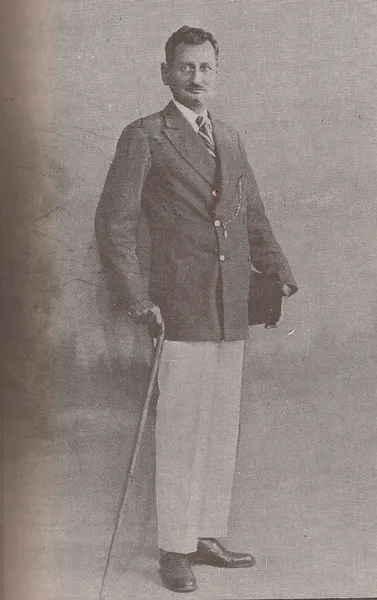
Ahmed Fadhl Al-Abdali (1881–1943), commonly known as "al-Qumindan", was a Yemeni poet, composer, and military figure belonging to the "Al-Abdali" family that ruled the Sultanate of Lahej during the British occupation of southern Yemen. Additionally, he was a historian and played a pivotal role in the agricultural renaissance of Lahij. Some even considered him as faqih. al-Qumindan played an active role in the establishment of the Arab Literary Club in Aden in 1925, holding various leadership positions over time. He is regarded as one of the most celebrated poets of the Yemeni dialect, with his oeuvre enjoying considerable popularity in Lahij and the surrounding regions. As a composer, he is regarded as the founder of modern Lahij music, which is regarded as one of the principal musical styles in Yemen, alongside Sanaani and Hadrami music. One factor that contributed to his renown was the introduction of the phonograph in Aden, which facilitated the dissemination of his music to a wider audience. However, his work was subject to competition from Indian and Egyptian songs that enjoyed considerable popularity at the time. Furthermore, certain religious scholars in Aden and Lahij issued fatwas that prohibited music, specifically condemning al-Qumindan's songs. Nevertheless, this did not significantly impede the dissemination of his music. In the present era, al-Qumindan is regarded as a pivotal figure in the cultural and literary renaissance that Aden underwent in the early 20th century. He assumed the role of establishing numerous educational institutions and literary forums and was a close associate of the Adeni Yemeni writer and lawyer Muhammad Ali Luqman. Despite occasional characterization as a vocalist, this perspective is not widely endorsed and is met with considerable opposition. al-Qumindan's oeuvre comprises a single poetry collection, entitled "Al-Masdar Al-Mufid Fi Ghina' Lahj Al-Jadid" "The Useful Source for New Lahij Songs". This collection encompasses the majority of his compositions, including 90 out of the 95 poems that have been attributed to him. While he is primarily recognized as a folk poet, al-Qumindan also produced several prose works.
Also on this shelf
José Echániz.
In a Clock Store.
See also
Uncatalogued shelfText from Wikipedia; plate via Wikimedia Commons. Text CC BY-SA 4.0; plate freely licensed (see Commons). Source record. Images and catalogue data are reproduced from open-access collections.