Musical Instruments
History of disco
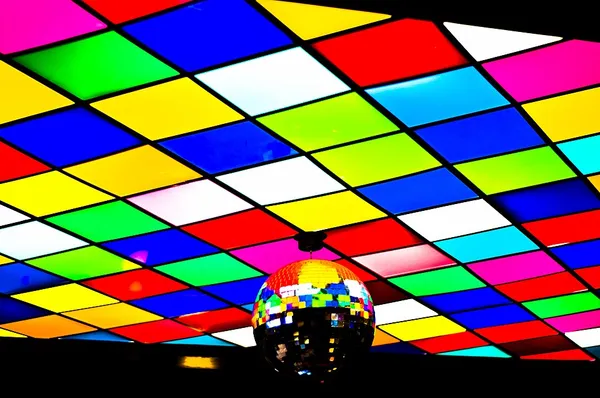
Disco originated from the dance floors of the 1940s and 1950s, evolving from venues that replaced live bands with recorded music, particularly in clubs across Europe and the United States. By the 1960s and early 1970s, it matured into a distinct musical culture rooted in African-American and Latin music—incorporating genres like soul, funk, and rhythm and blues—and fueled by the inclusive, high-energy atmosphere of underground scenes like New York’s The Loft. The genre reached its mainstream zenith in the late 1970s, largely driven by the massive success of the film Saturday Night Fever and the iconic sound of artists like the Bee Gees and Donna Summer. While disco faced a sharp, often controversial decline at the start of the 1980s, its influence proved enduring; its innovative use of synthesizers, drum machines, and extended remixes laid the foundational blueprint for modern electronic dance music, including house and techno.
Also on this shelf
Buddy Holly.
Bummadiya.
See also
Uncatalogued shelfText from Wikipedia; plate via Wikimedia Commons. Text CC BY-SA 4.0; plate freely licensed (see Commons). Source record. Images and catalogue data are reproduced from open-access collections.