Musical Instruments
Es ist ein trotzig und verzagt Ding, BWV 176
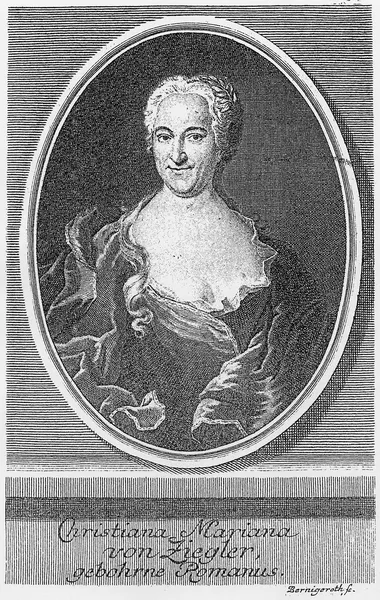
Es ist ein trotzig und verzagt Ding (There is something defiant and despairing), BWV 176, is a church cantata by Johann Sebastian Bach. He composed it in Leipzig for Trinity Sunday on a text by Christiana Mariana von Ziegler and first performed it on 27 May 1725. This cantata concluded his second year of cantata compositions in Leipzig, the last of nine cantatas on texts by Ziegler that Bach set at the end of the second cantata cycle. The cantata begins with a choral movement, setting a paraphrase from the Book of Jeremiah. The focus of her text is based on the meeting of Jesus and Nicodemus from the Gospel of John, namely that nobody could act as Jesus if God was not with him. For a closing chorale she used the eighth stanza from Paul Gerhardt's hymn "Was alle Weisheit in der Welt" which ends with a confession of the Trinity. Bach scored the cantata for three vocal soloists (soprano, alto and bass), a four-part choir and a Baroque instrumental ensemble of three two oboes, an oboe da caccia, strings and basso continuo. The opening movement is a fugue on a powerful theme, distinctly different from the chorale fantasias that had begun most cantatas of the second cantata cycle.
Also on this shelf
Höfner.
Bob Hope.
See also
Uncatalogued shelfText from Wikipedia; plate via Wikimedia Commons. Text CC BY-SA 4.0; plate freely licensed (see Commons). Source record. Images and catalogue data are reproduced from open-access collections.